![[Staging] VERITAS](https://staging.theveritasdesigngroup.com/wp-content/uploads/2025/12/veritas-logo-r-6940b7bf33d45.webp)
![[Staging] VERITAS](https://staging.theveritasdesigngroup.com/wp-content/uploads/2025/12/veritas-logo-w-6940b7bf2d38b.webp)
A Gathering of Climate-Shaped Geometry and Civic Governance

Ministry of Natural
Resources and Environmental
Sustainability
CLIENT
Putrajaya Holdings Sdn Bhd
REGION
Putrajaya
YEAR
Completed in 2006
GFA
—
DISCIPLINES
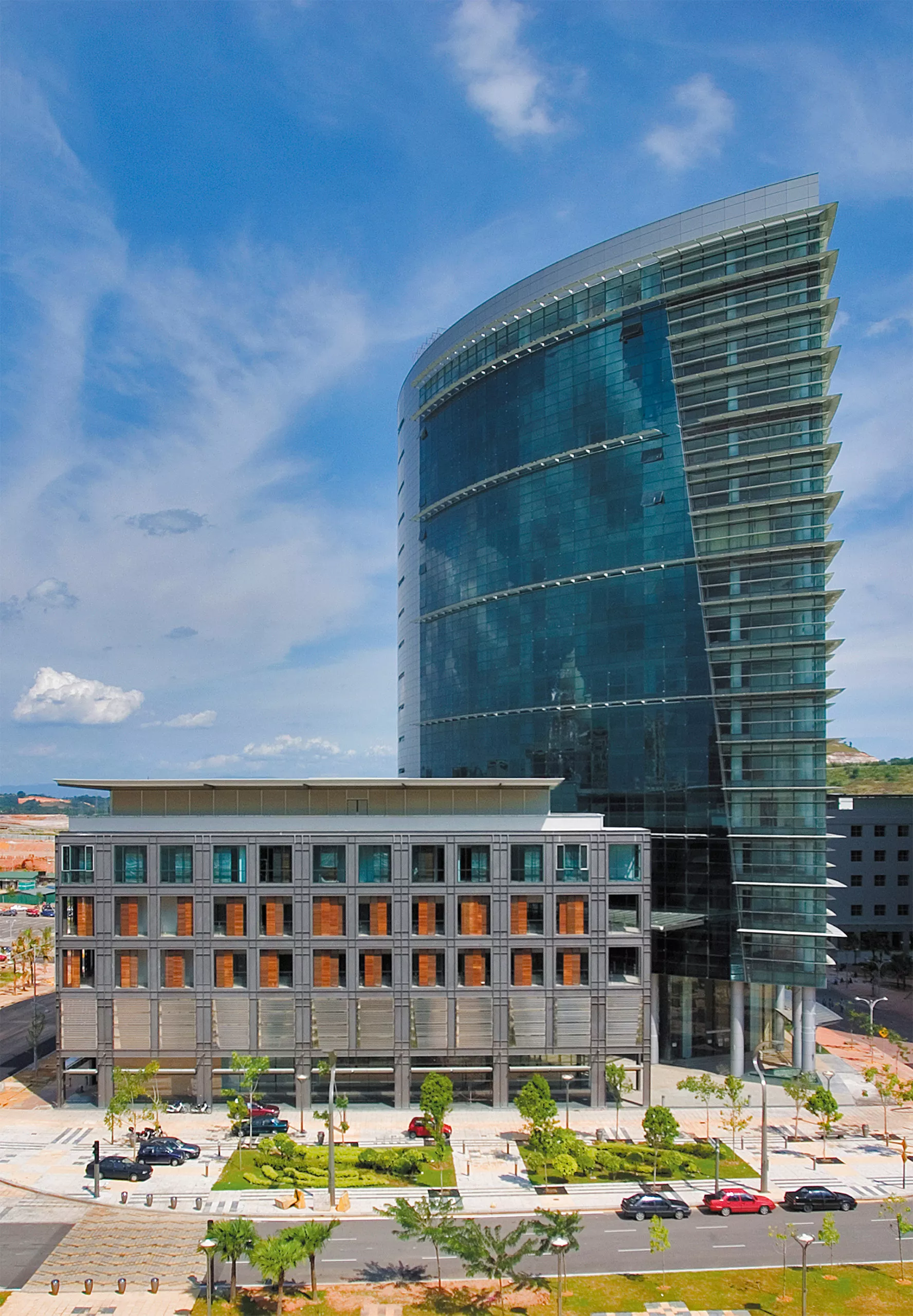
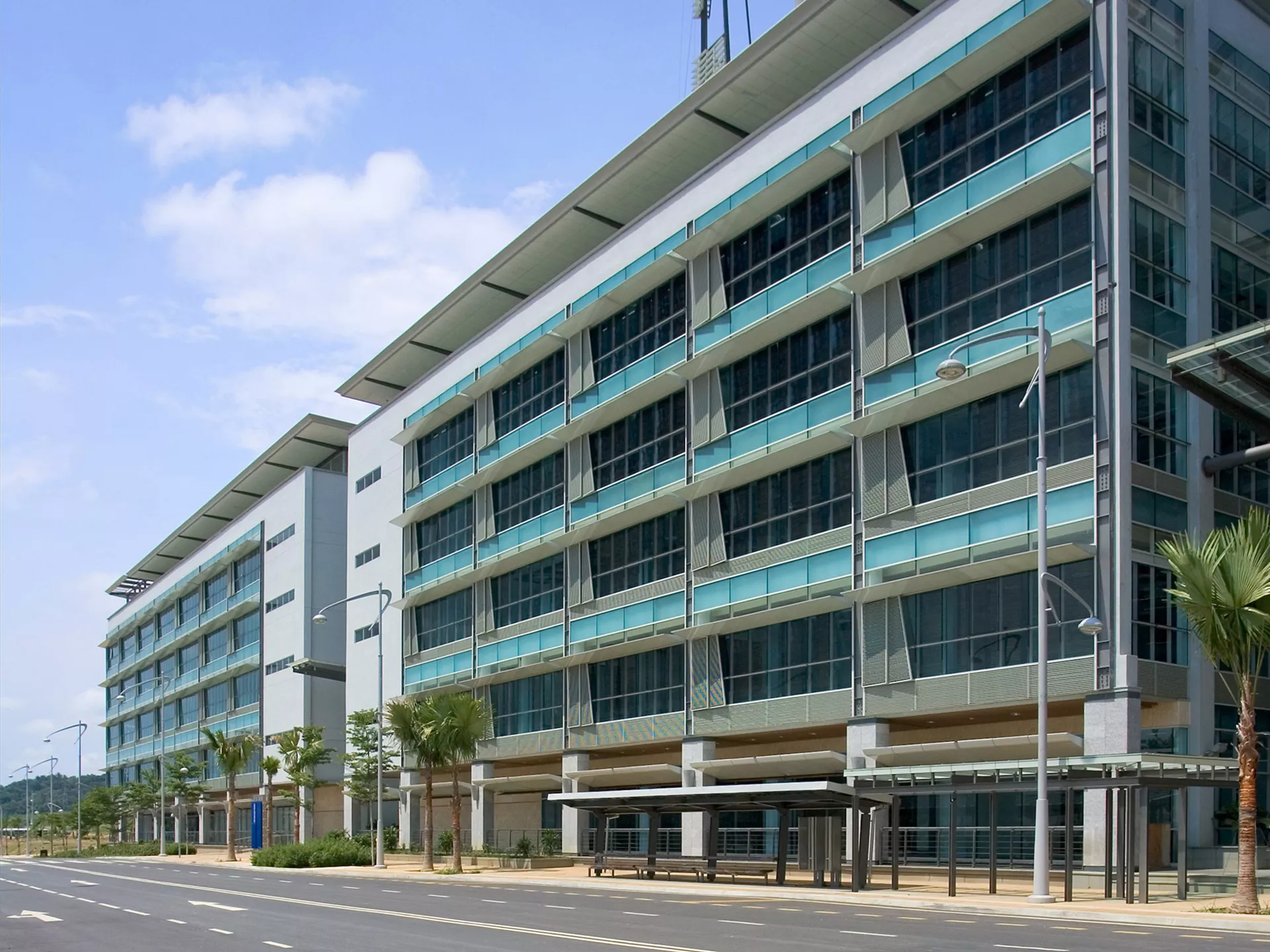
Sited at the northern end of Putrajaya’s ceremonial axis, the Ministry of Natural Resources and Environmental Sustainability offers a refined architectural response to climate, place, and civic identity. Completed in 2006 for Putrajaya Holdings, the project forms part of a quartet of ministry towers whose collective composition traces an interlocking Islamic geometric motif across adjacent lots. Within this broader urban choreography, the building establishes a gateway between the city’s formal governmental district and its emerging commercial realm.
ARCHITECTURE
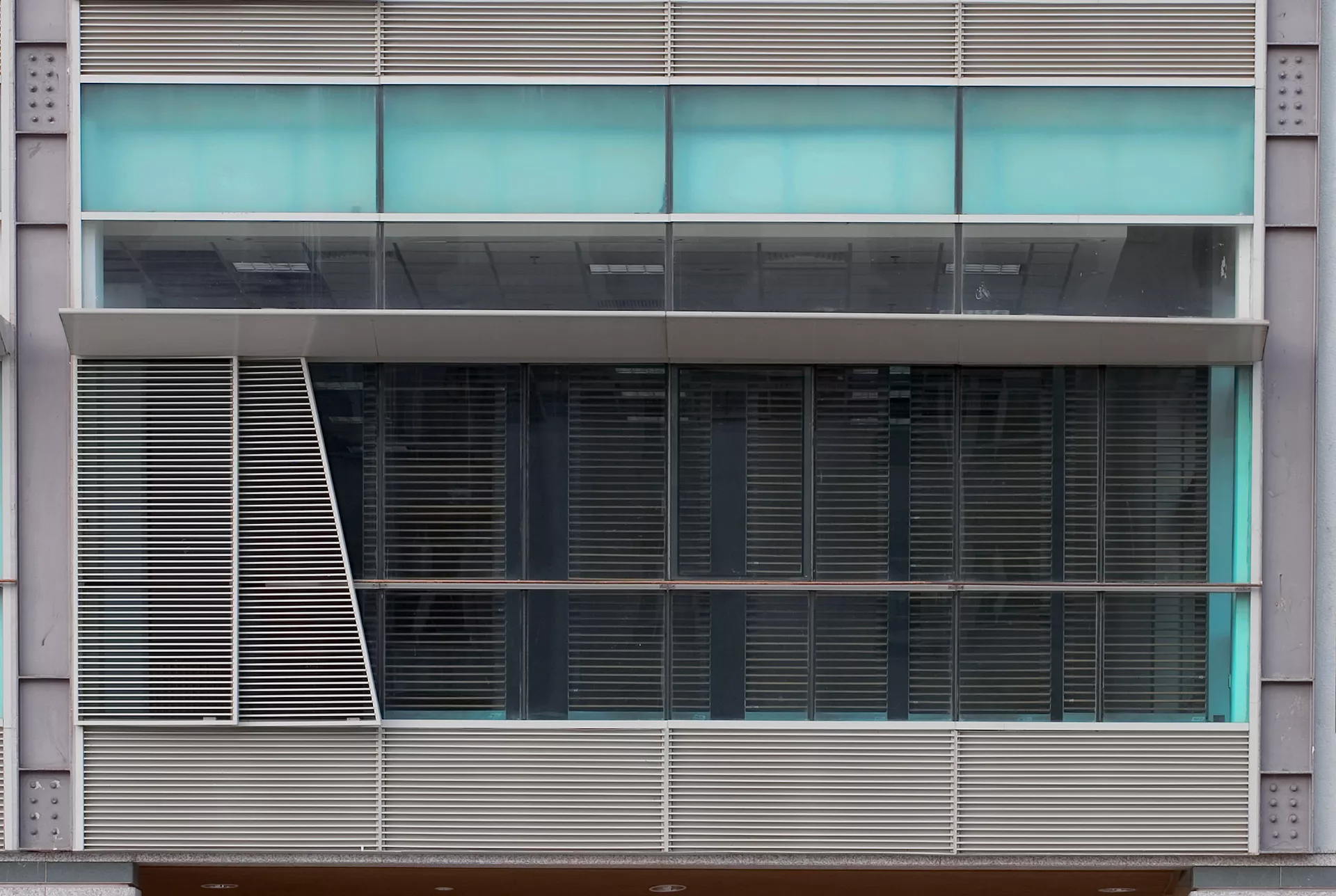
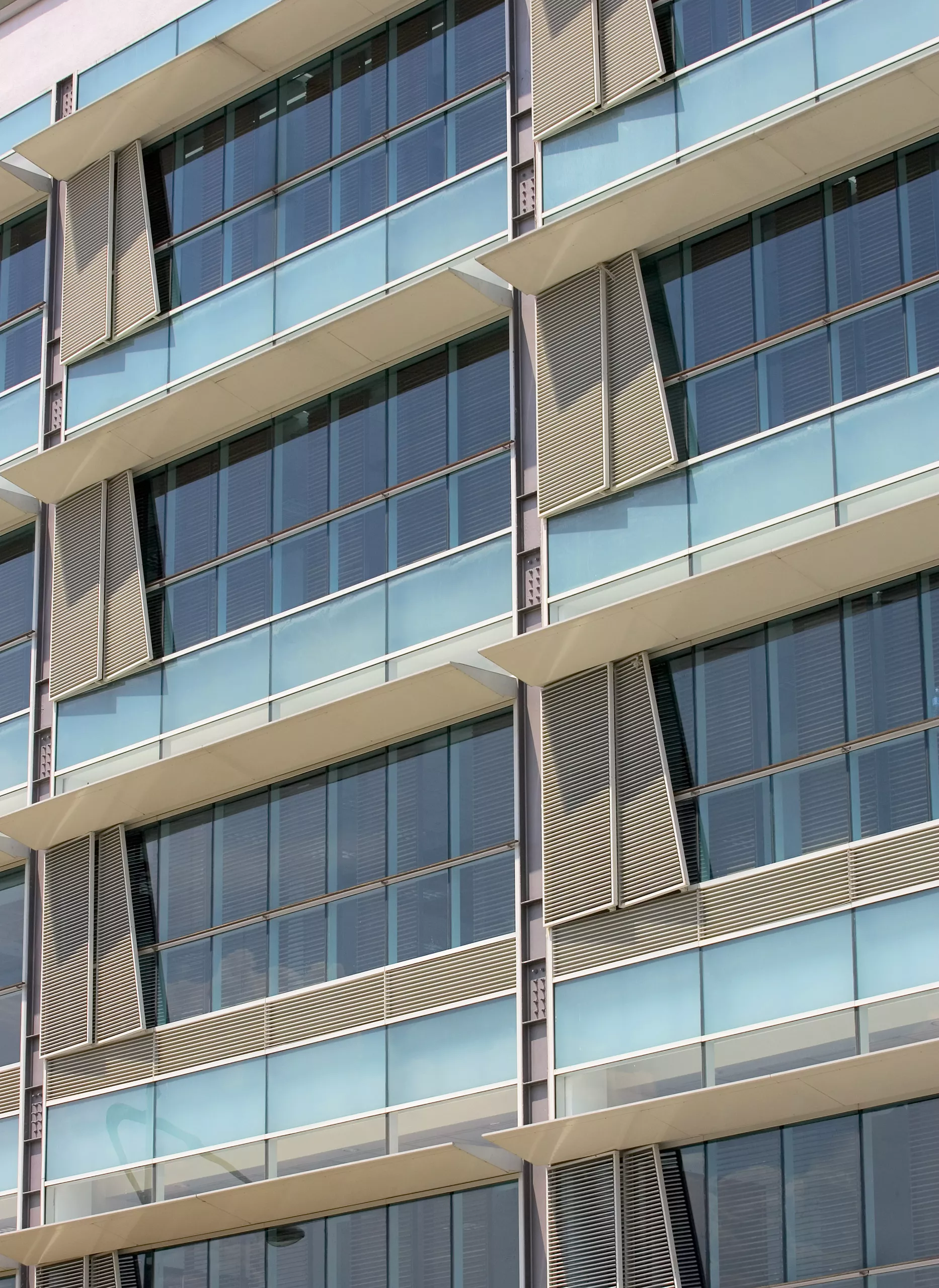
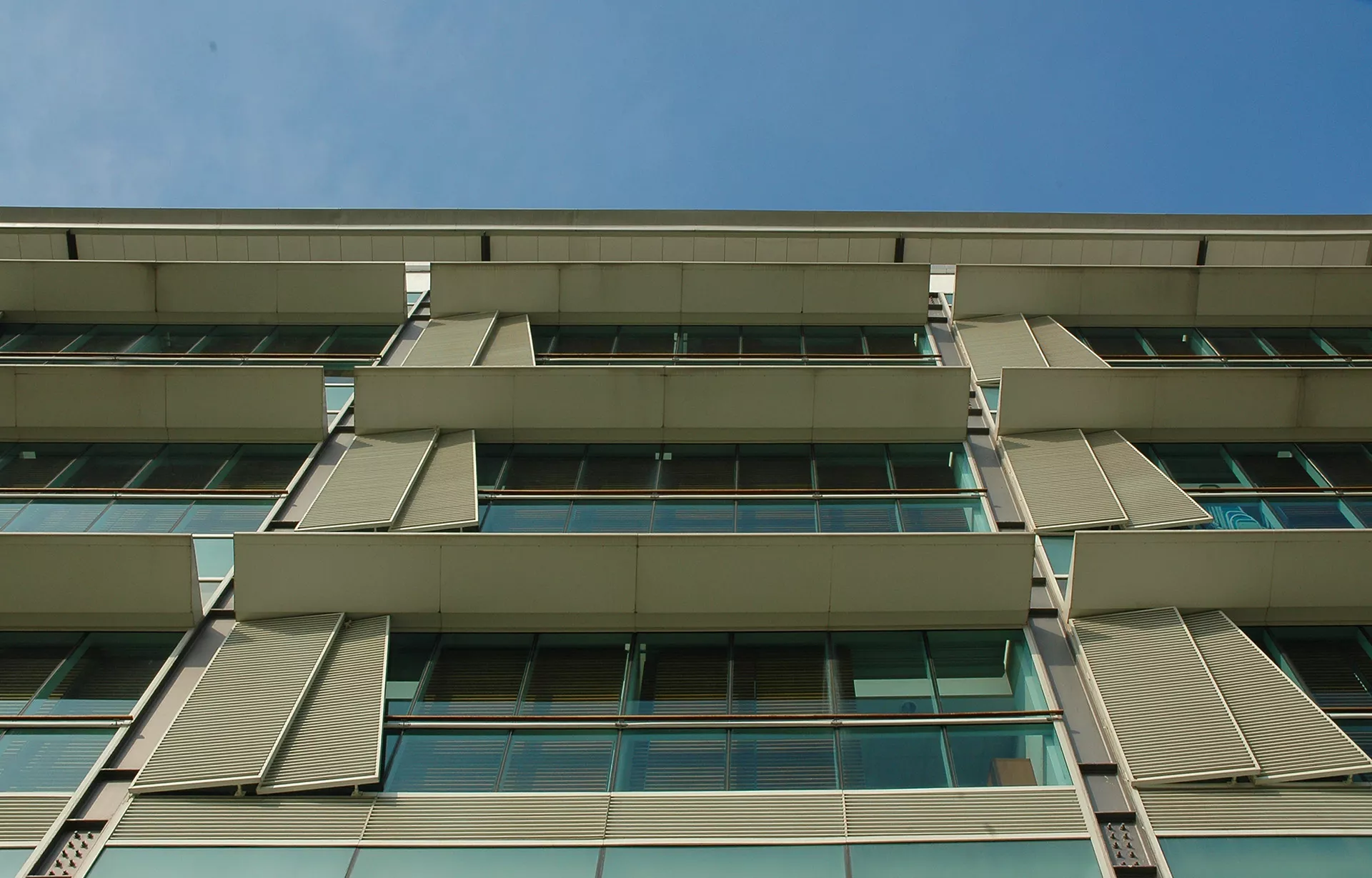
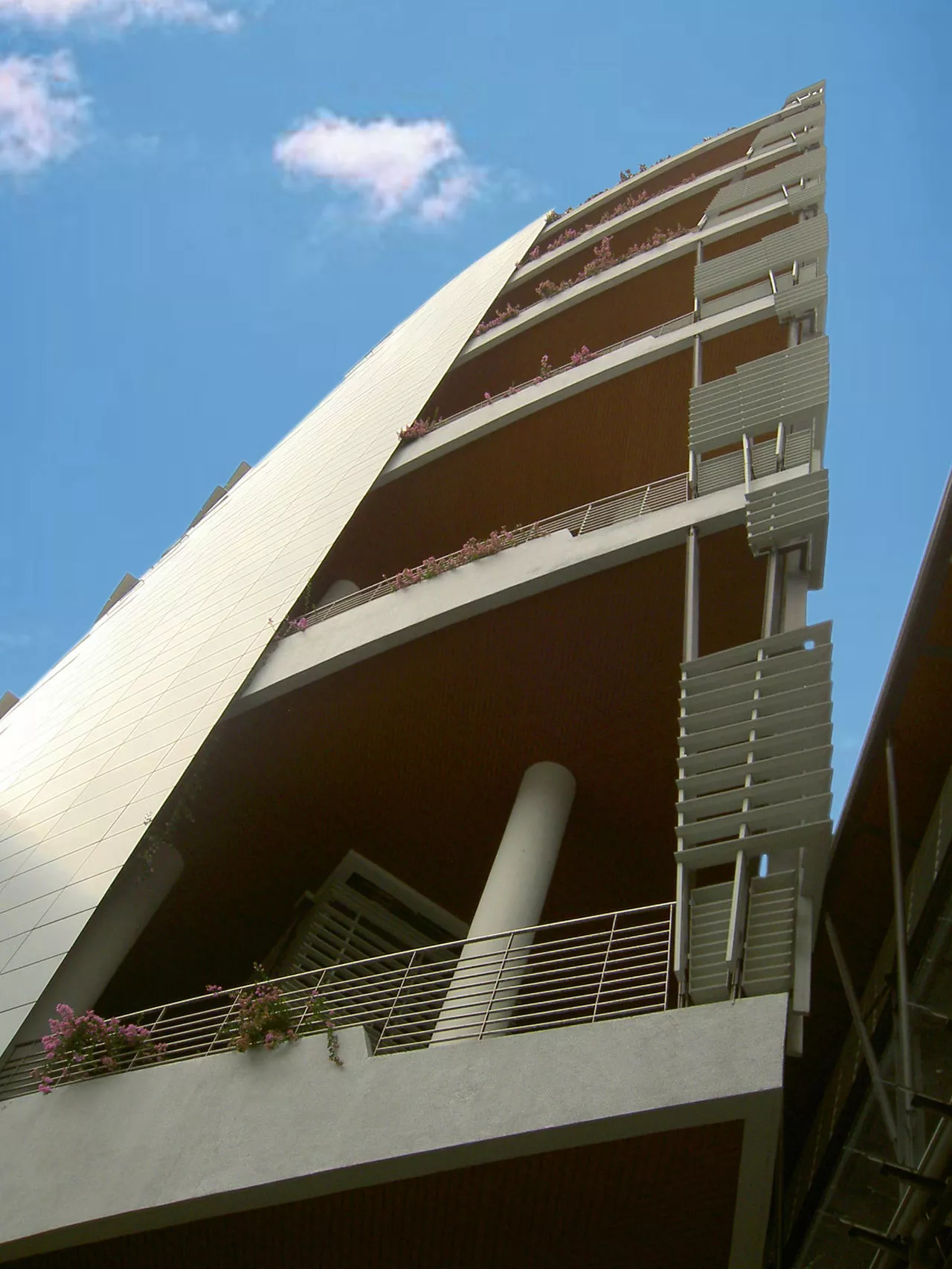
The design is anchored by an 18-storey elliptical tower rising from a 6-storey podium, a form deliberately oriented along the north–south axis to minimize heat gain. This geometry, bold yet disciplined, lends the tower a calm presence along the Central Boulevard while subtly echoing the fluidity of Islamic patterning. Meanwhile, building orientation influences the shading strategies. A finely calibrated brise-soleil shields the west façade from the harsh afternoon sun, while terraced sky gardens on the east capture the gentler morning light and bring greenery deep into the workplace.

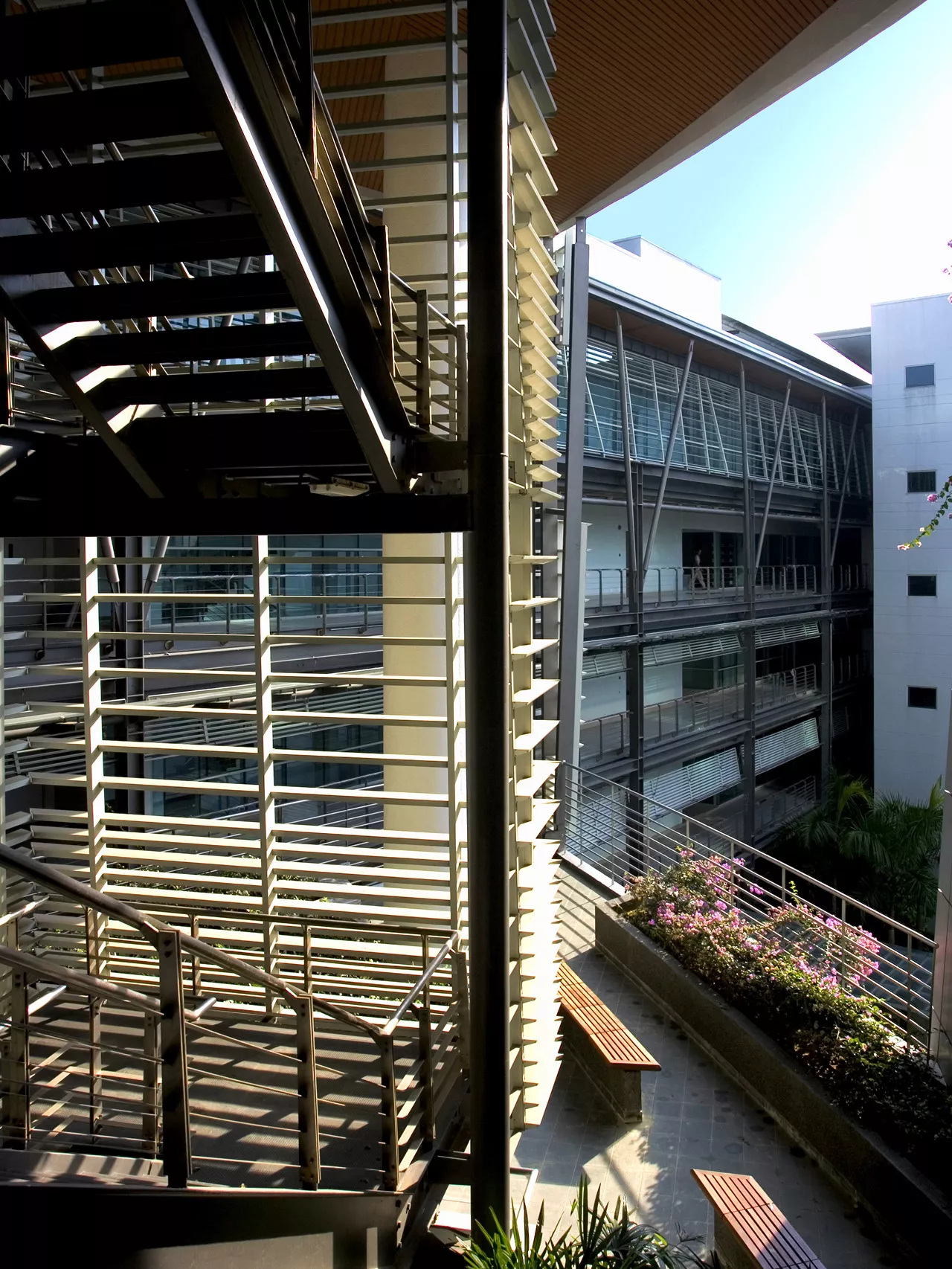
At the heart of the building, an open, sky-lit atrium is carved between tower and podium. More than a circulation void, it is conceived as an internal street—a temperate, day-brightened space that mediates between the public realm and secure government offices. Here, landscape, filtered light, and moving air converge to create a moment of calm transition, softening the boundary between civic boulevard and institutional interior.
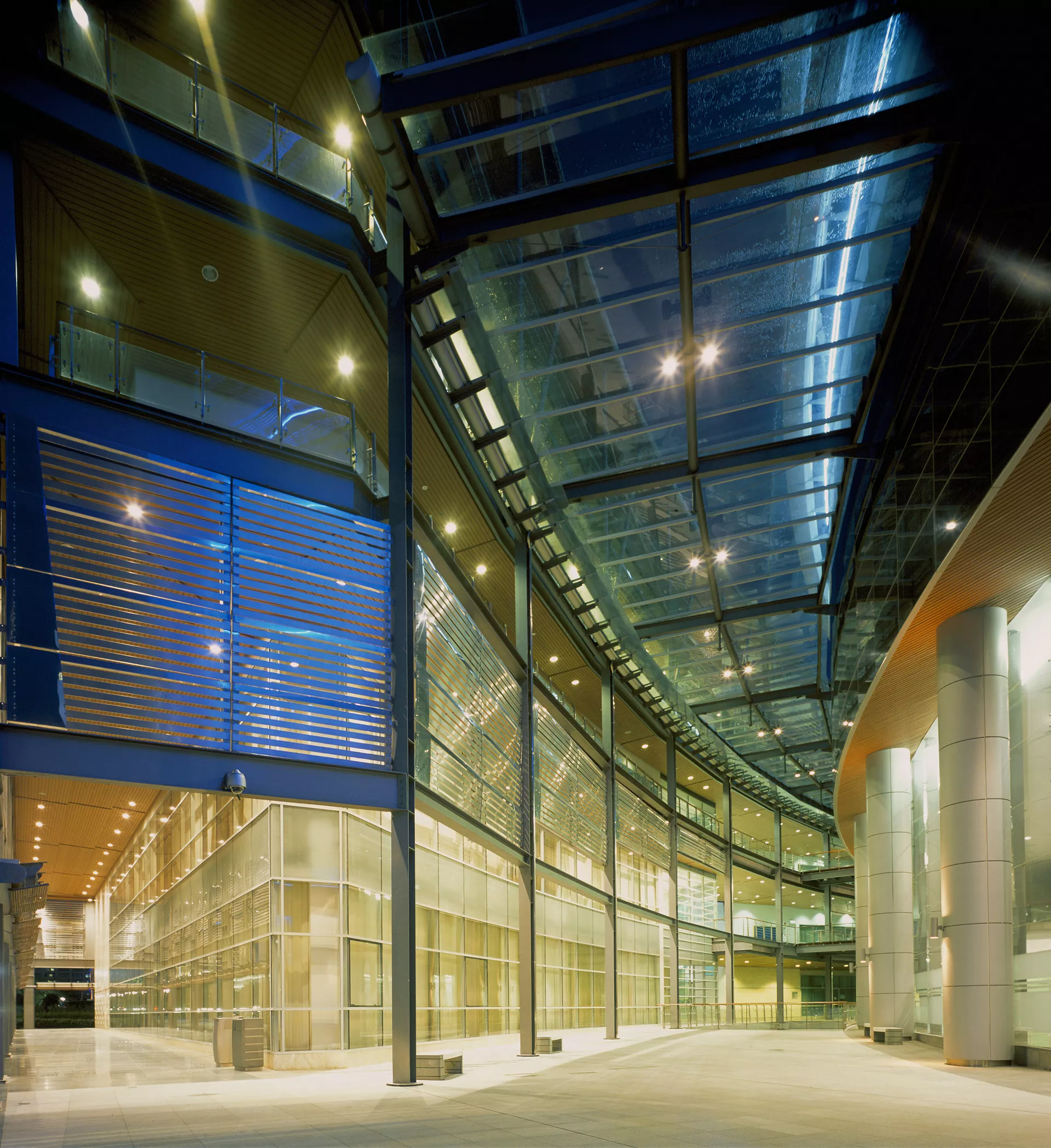
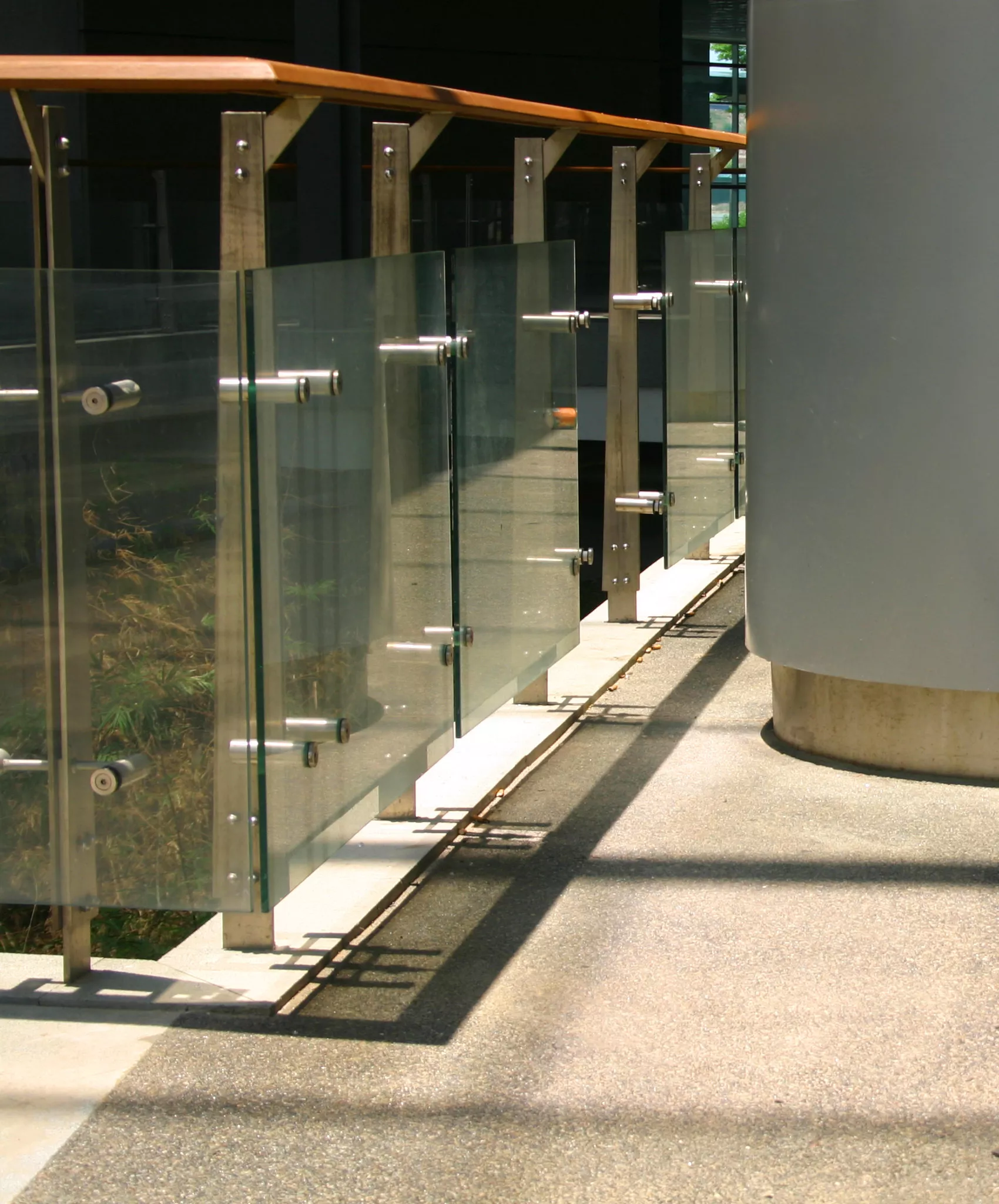
Passive design principles shape every layer of the project. A sunken garden draws daylight and natural ventilation into the basement car park, transforming a typically inert space into a cooler, more humane environment. The podium’s steel frame is veiled with timber-slatted screens that modulate brightness and shadow, giving the façade a warm, rhythmic texture that shifts throughout the day. Within the landscaped court, a surau is placed discreetly yet prominently, offering a contemplative setting that reinforces the development’s environmental and cultural sensibilities.


Energy modeling validates the building’s environmental ambitions, positioning it among the region’s most efficient civic structures. The MNRES thus stands not only as an administrative landmark but as a considered architectural instrument—one that unites climate performance, spatial poetry, and an enduring civic presence.

Awards
2006
Pertubuhan Akitek Malaysia (PAM) Award
Honorable Mention – Public and Civic Building
Learn About Our Projects
AllAdaptive Reuse / RefurbishmentArchitectureBangladeshCommercial & RetailDisciplineEducation & InstitutionEngineeringEnvironmentFeatured ProjectsHealthcareHigh-Rise OfficeHigh-Rise ResidentialHomeHospitality & LeisureIndonesiaIndustrialInteriorsLandscapeLow-Rise OfficeLow-Rise ResidentialMalaysiaPlanningProject ManagementQuantity SurveyingRegionSpecial ProjectsSri LankaSustainabilityTransport & MobilityTypologyVietnam
Kedah Eco-Industrial Park
Kedah Eco-Industrial Park
Silver Valley Tech Park (SVTP)
Silver Valley Tech Park (SVTP)
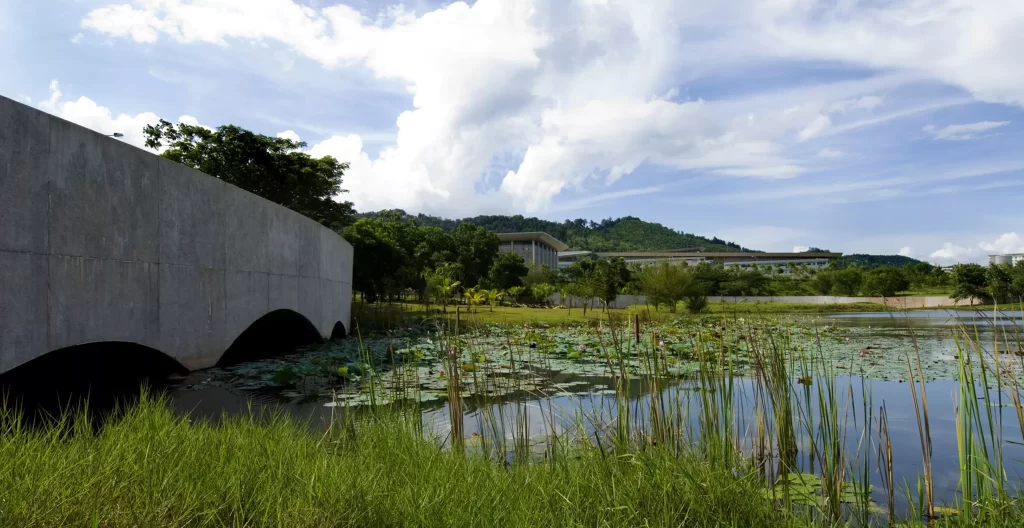
Asian Institute of Medicine, Science & Technology (AIMST)
Asian Institute of Medicine, Science & Technology (AIMST)
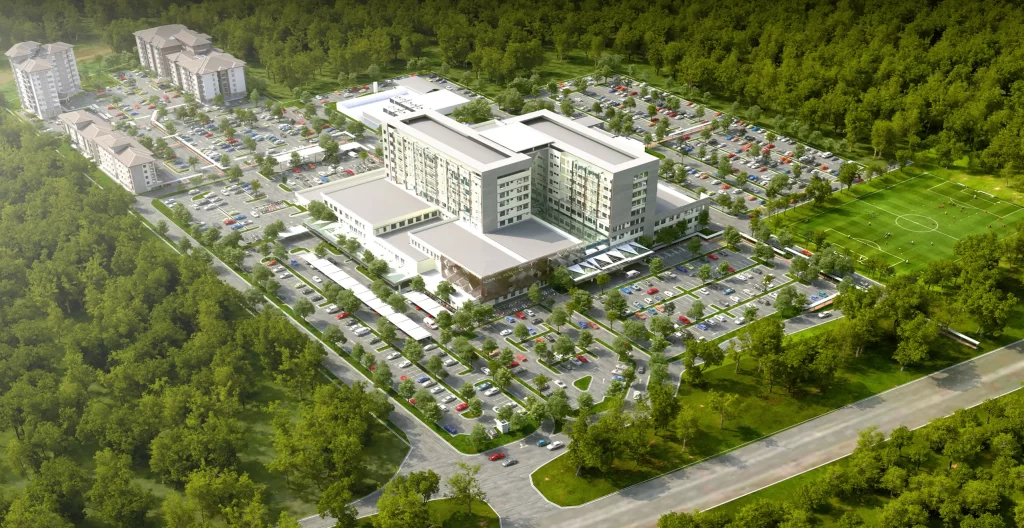
Hospital Kemaman
Hospital Kemaman
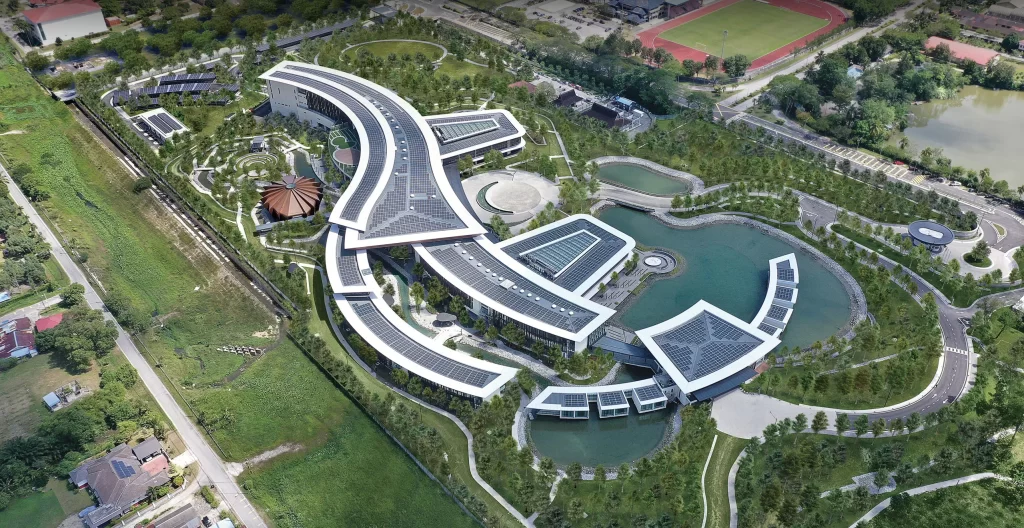
PETRONAS Leadership Centre (PLC)
PETRONAS Leadership Centre (PLC)
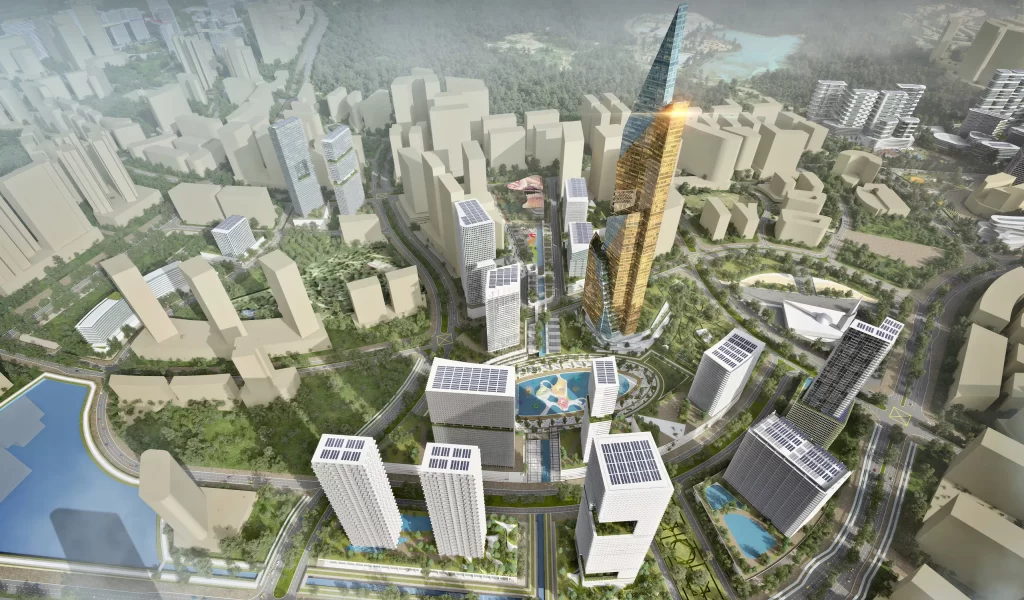
Medini Innopolis
Medini Innopolis
MRT Kajang Line Stations
MRT Kajang Line Stations
Strato at Troika Sky Dining
Strato at Troika Sky Dining
MyTOWN Shopping Centre
MyTOWN Shopping Centre
International School of Kuala Lumpur (ISKL)
International School of Kuala Lumpur (ISKL)
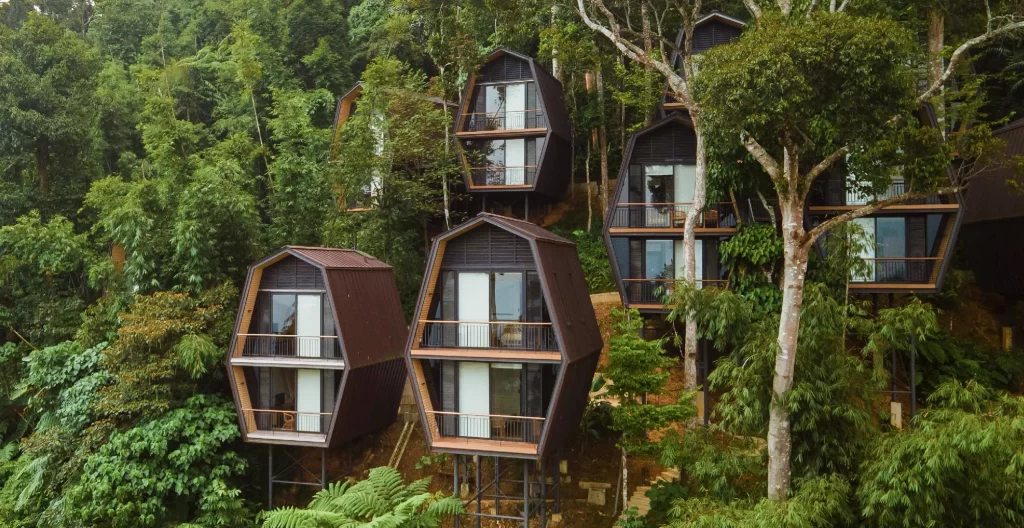
VanaVasa Resort
VanaVasa Resort
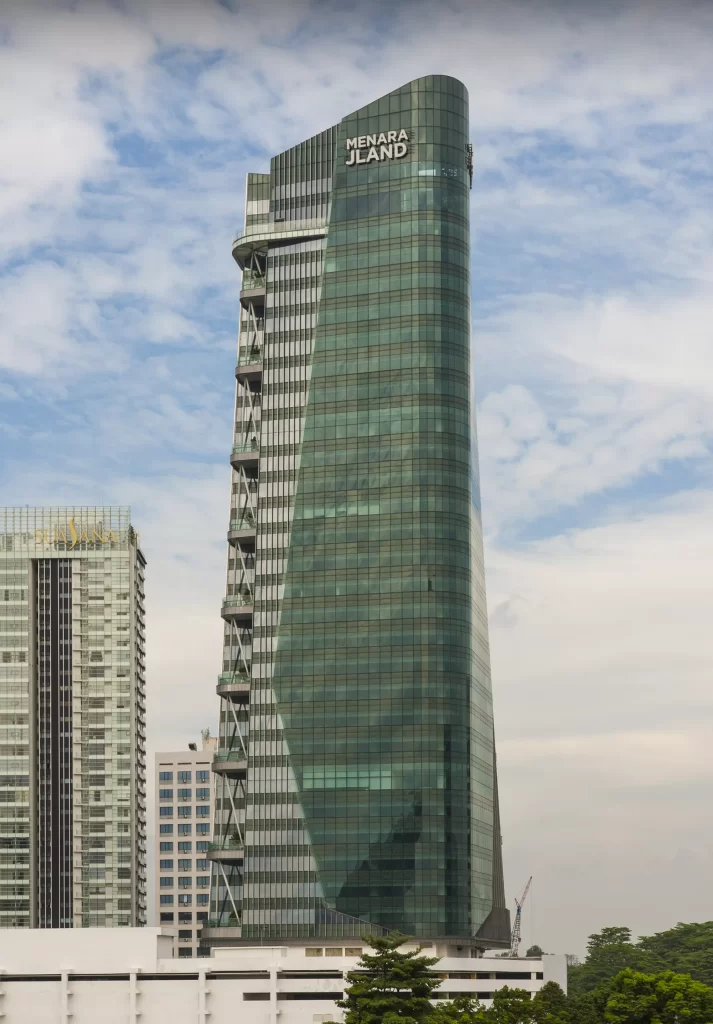
Menara JLand
Menara JLand
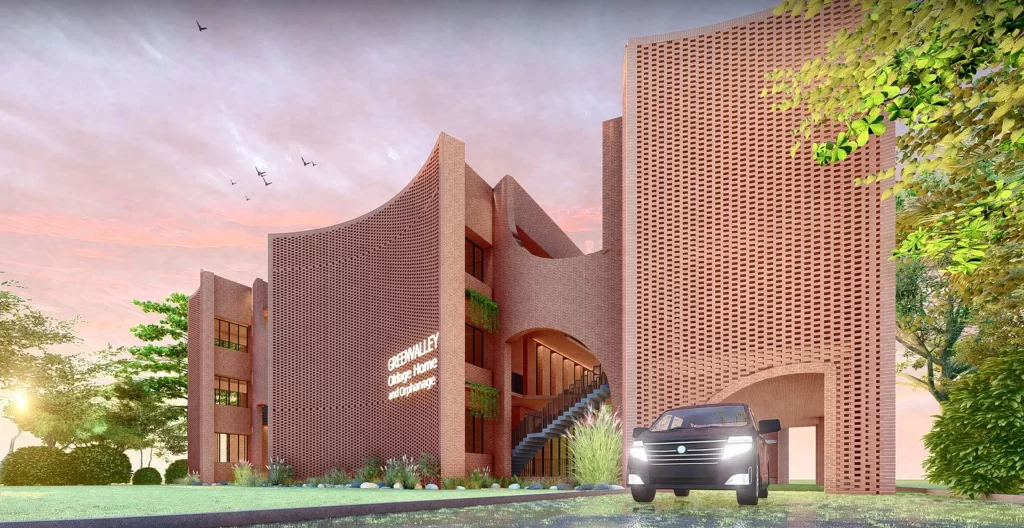
Green Valley Oldage Home and Orphanage
Green Valley Oldage Home and Orphanage
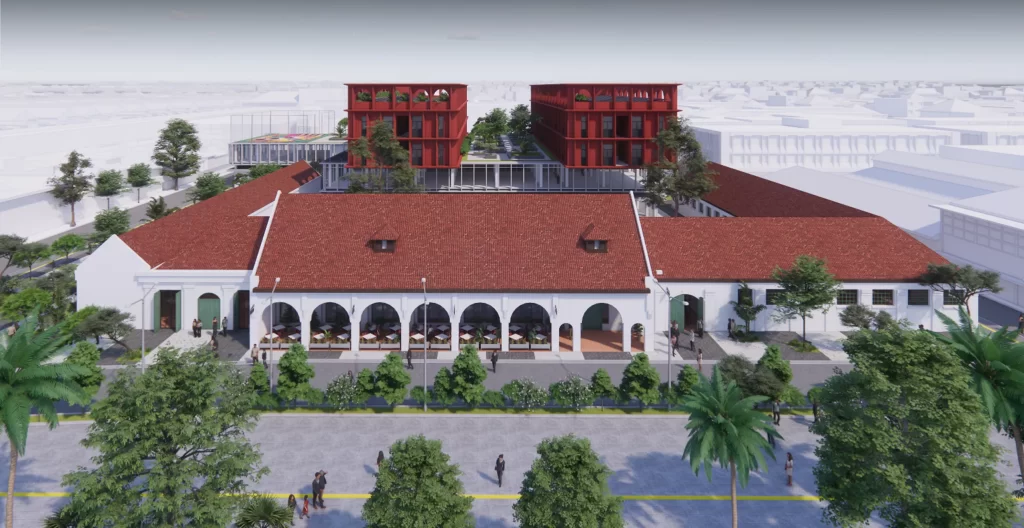
Taman Kota Intan Competition
Taman Kota Intan Competition
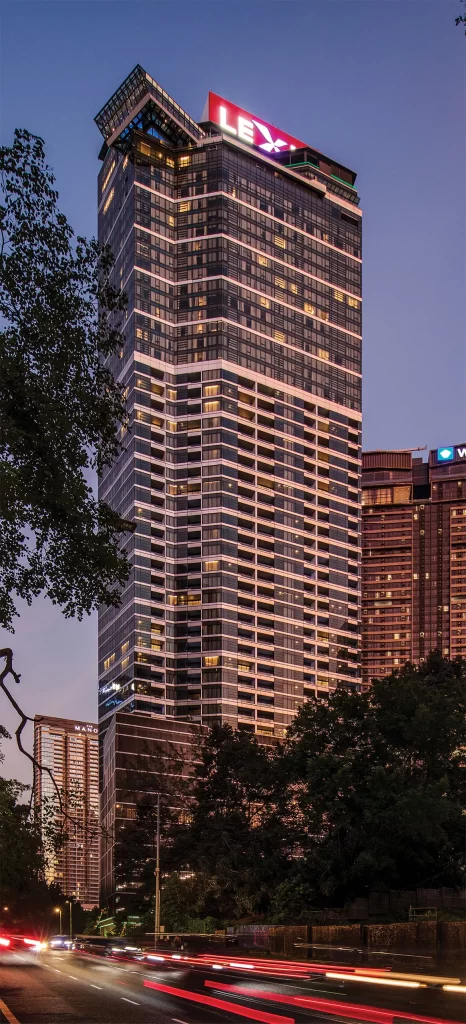
Imperial Lexis Kuala Lumpur
Imperial Lexis Kuala Lumpur
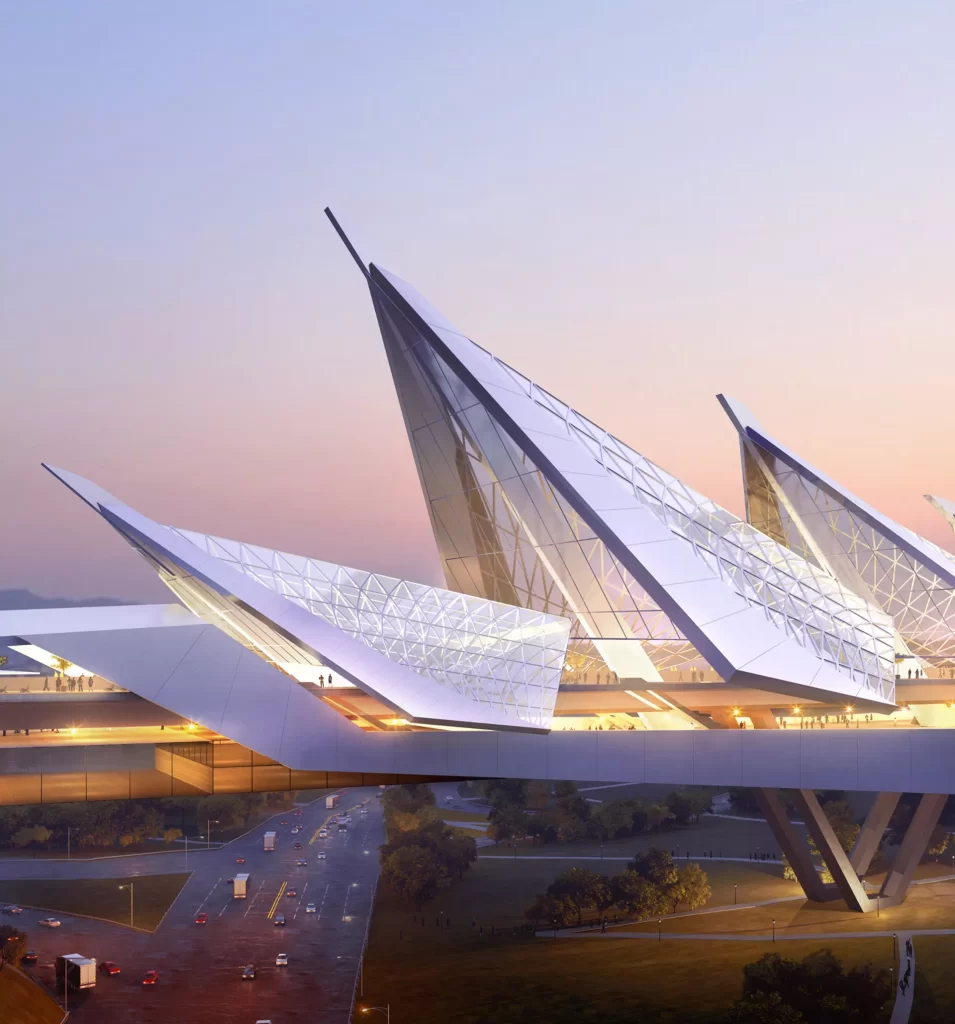
Kuala Lumpur–Singapore High Speed Rail (HSR)
Kuala Lumpur–Singapore High Speed Rail (HSR)
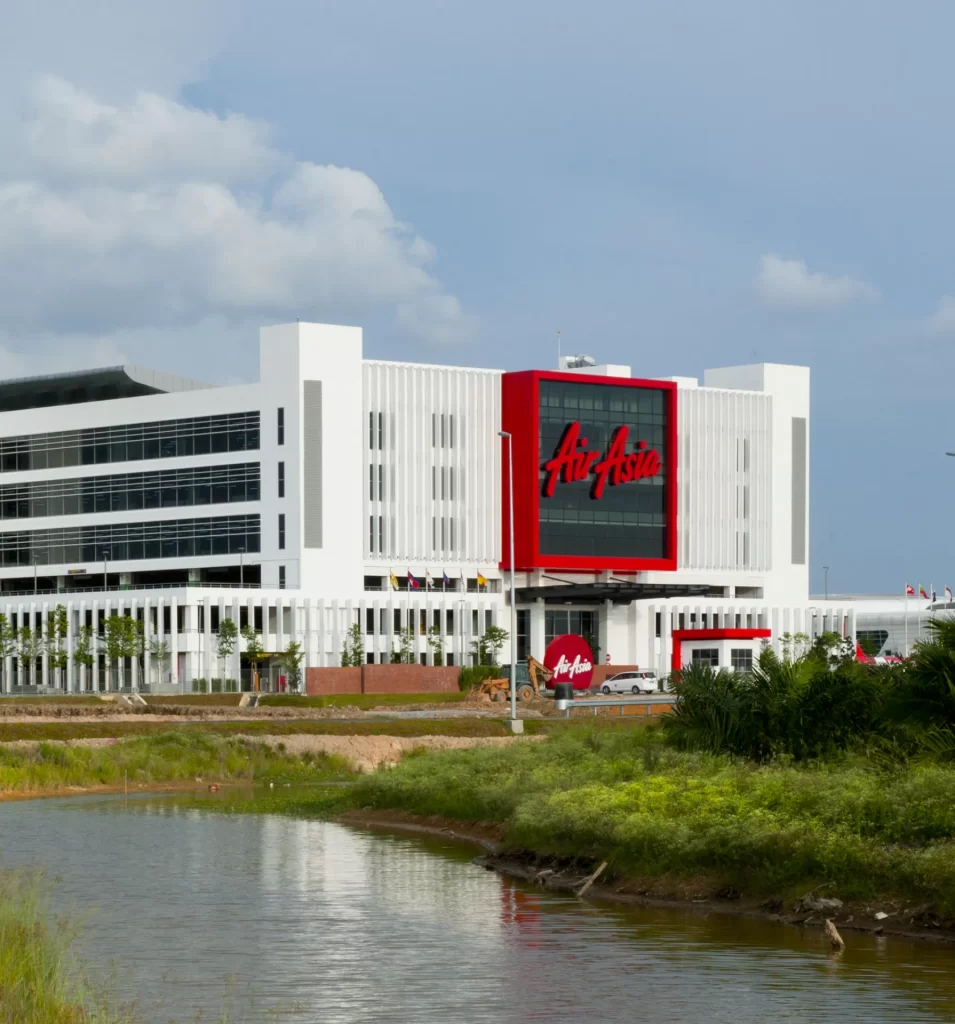
AirAsia RedQ
AirAsia RedQ
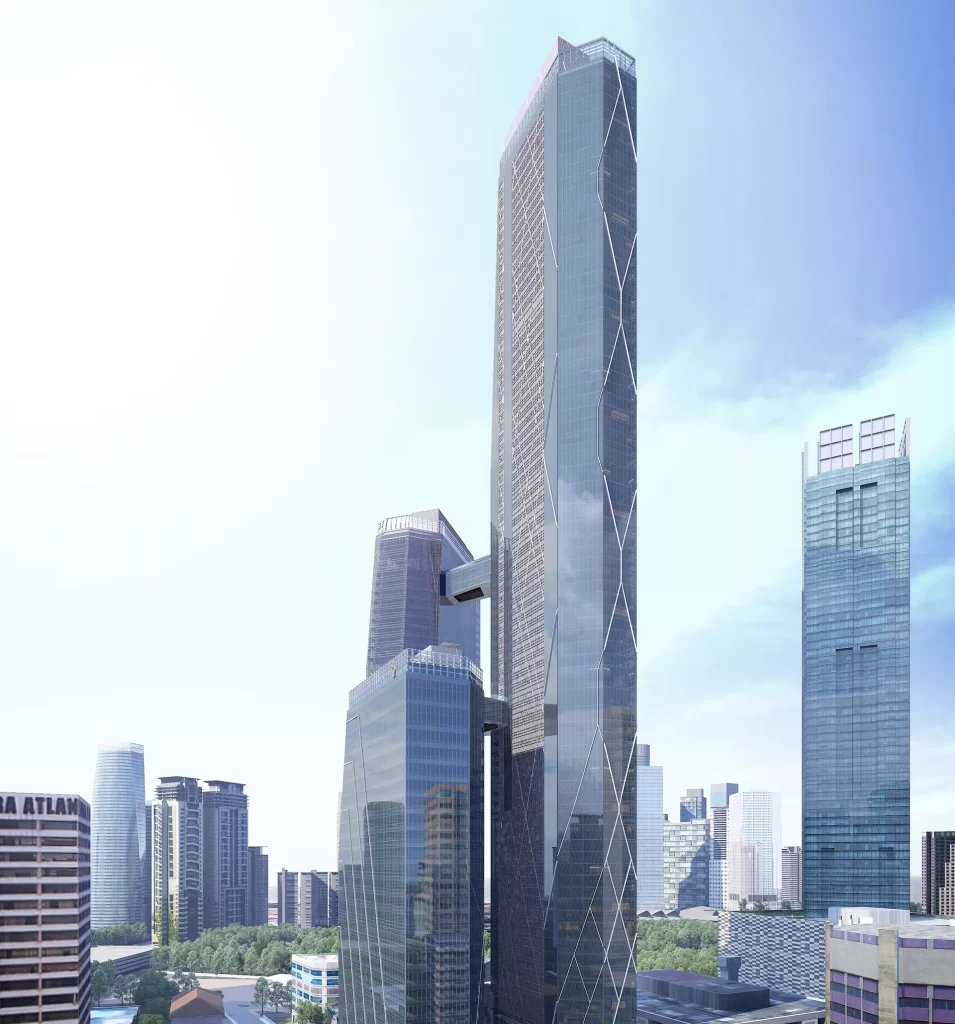
Oxley Towers
Oxley Towers
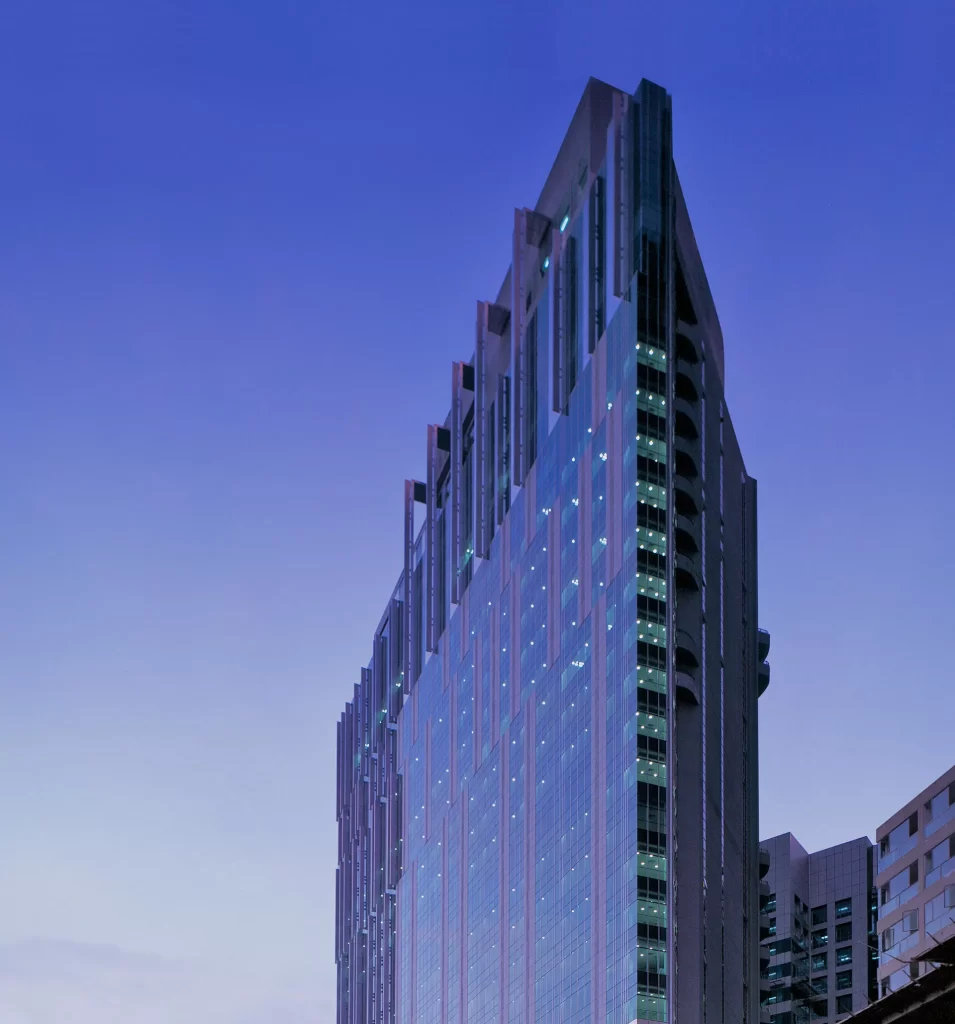
1 Sentral
1 Sentral
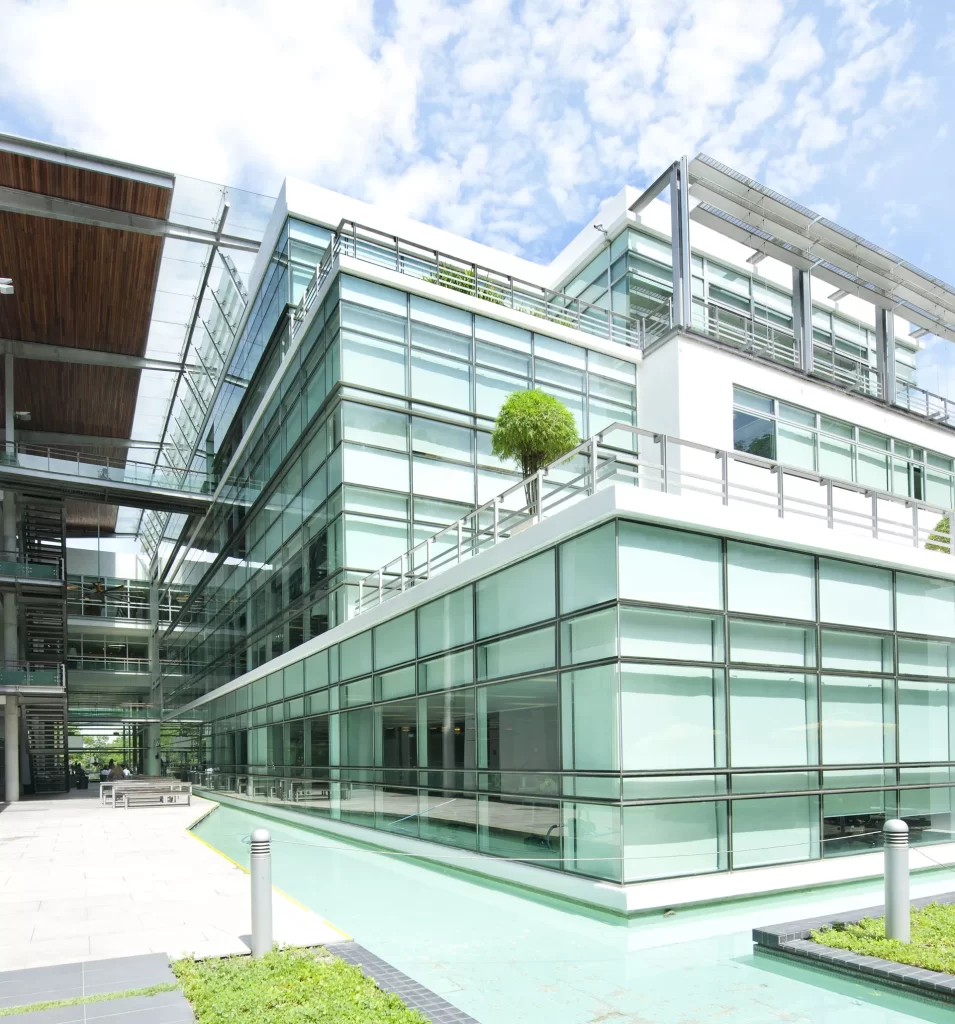
CelcomDigi Hub
CelcomDigi Hub
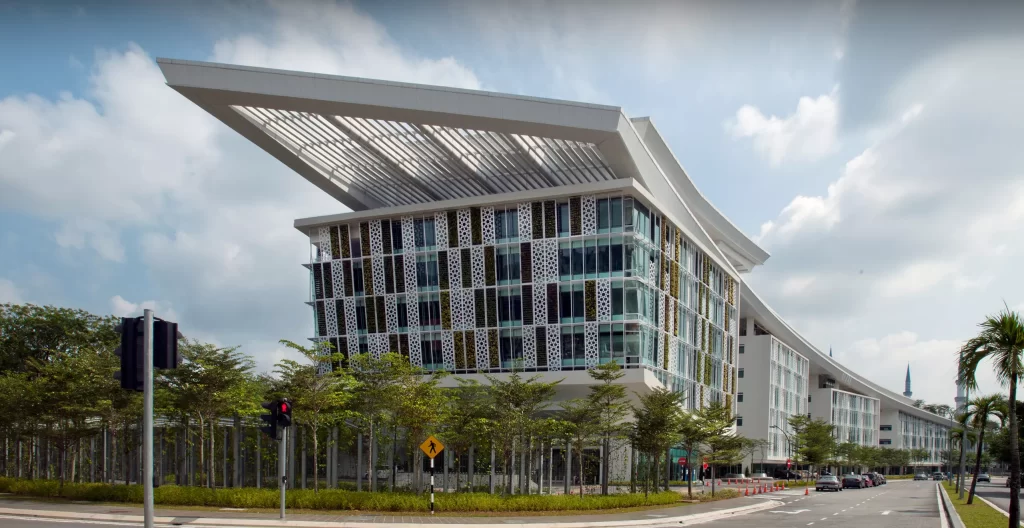
Perbadanan Kemajuan Negeri Selangor
(PKNS Headquarters)
Perbadanan Kemajuan Negeri Selangor (PKNS Headquarters)
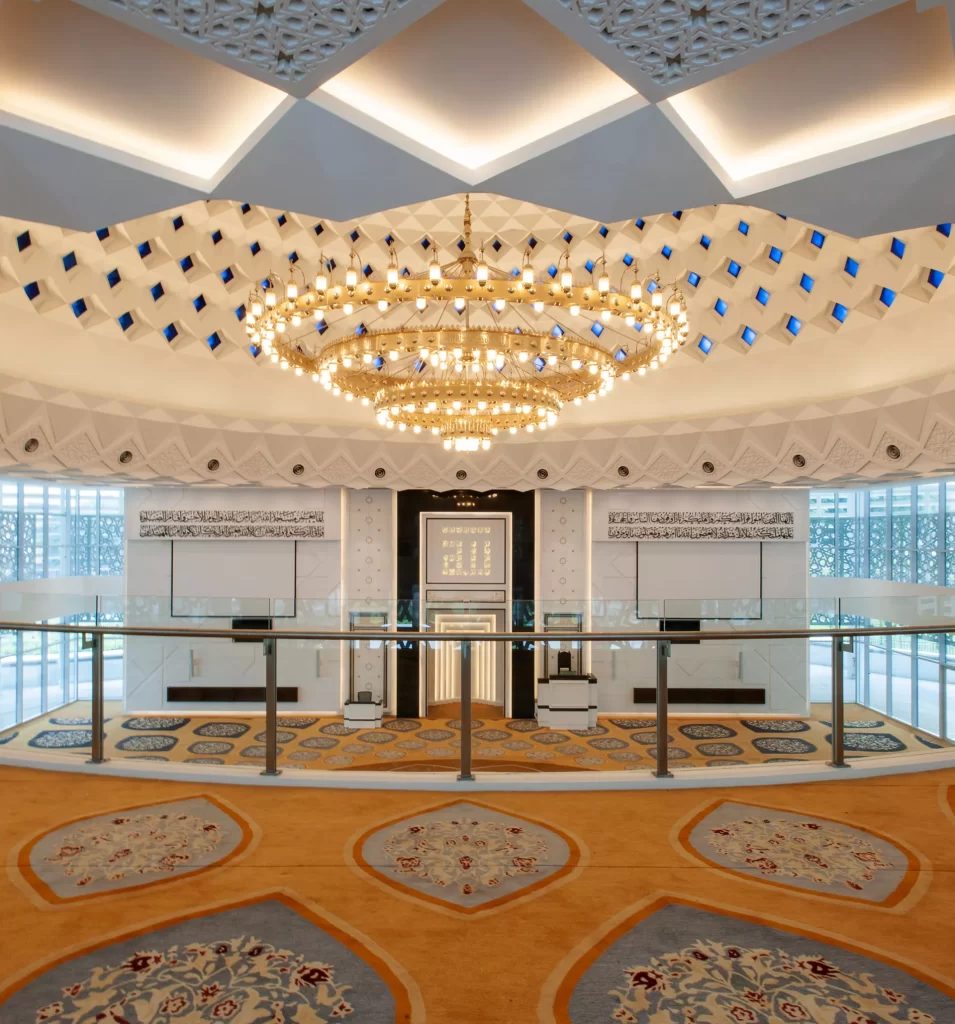
Masjid TNB Bangsar
Masjid TNB Bangsar
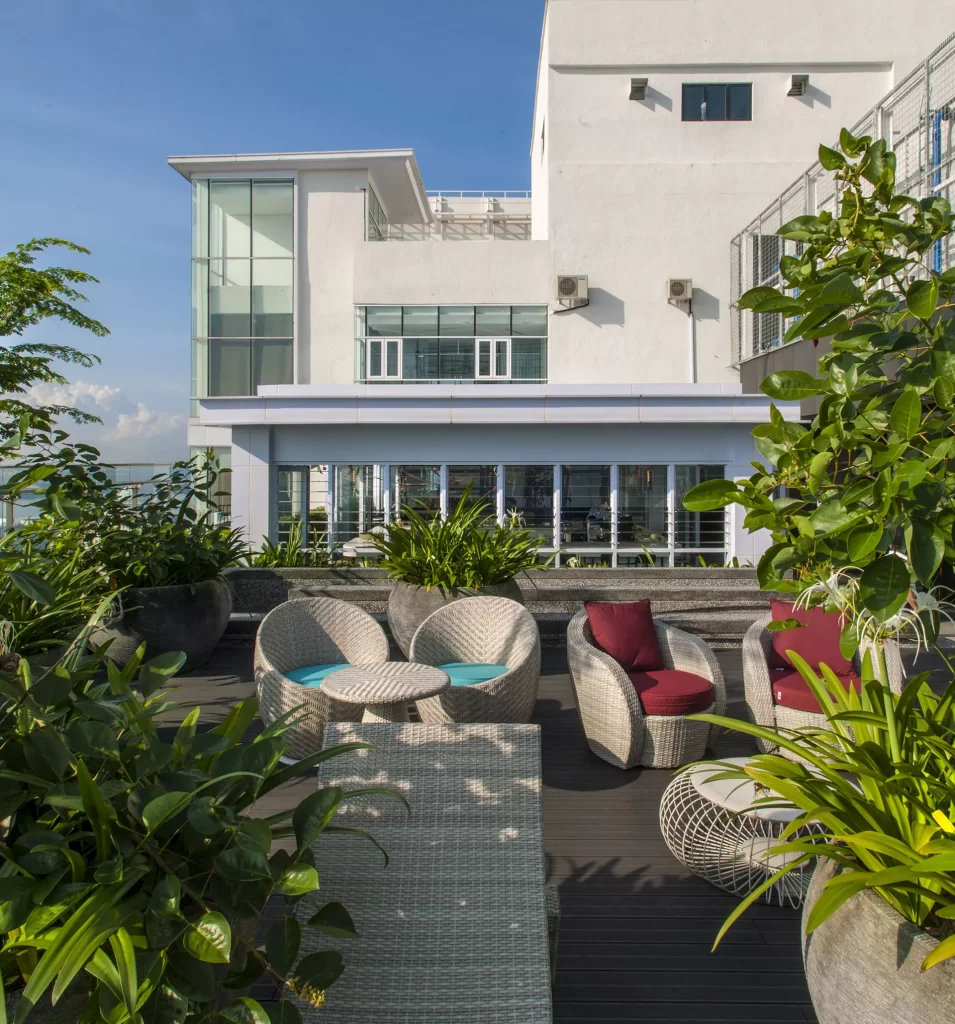
Suasana Iskandar Malaysia
Suasana Iskandar Malaysia
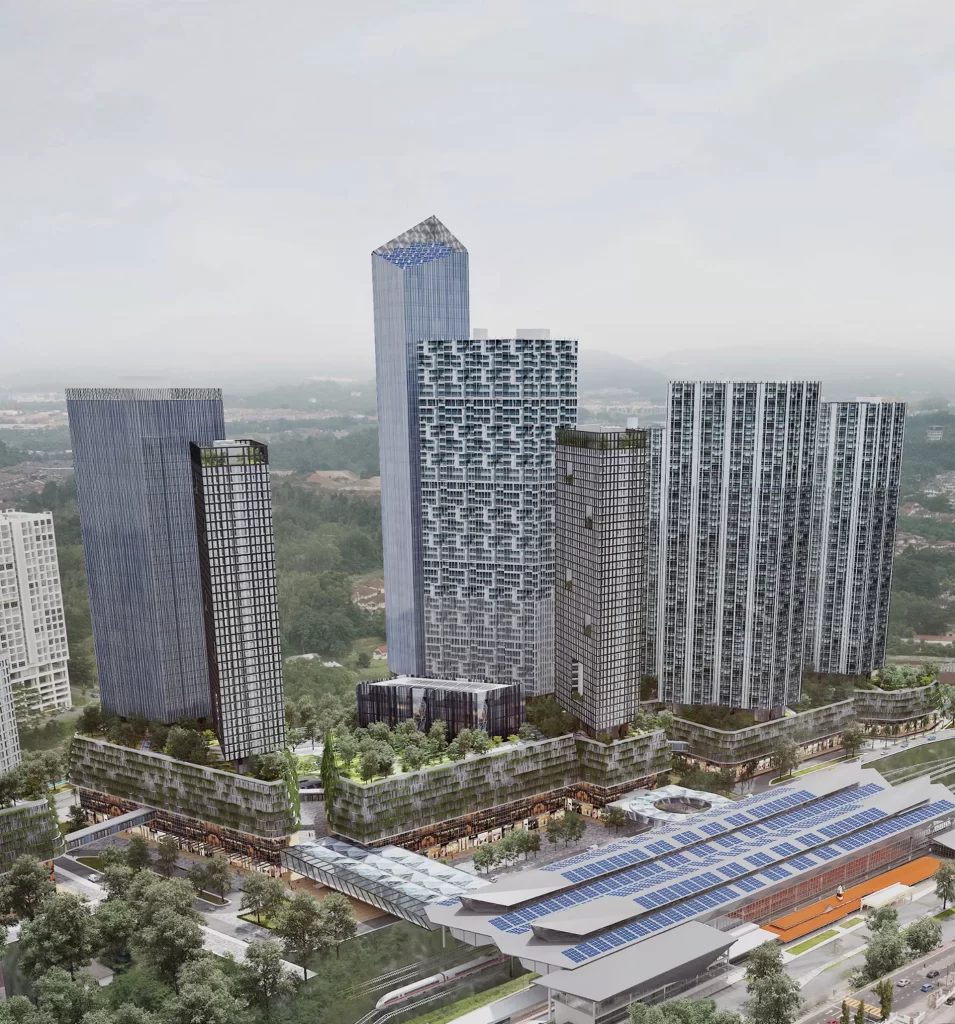
Seremban Sentral
Seremban Sentral
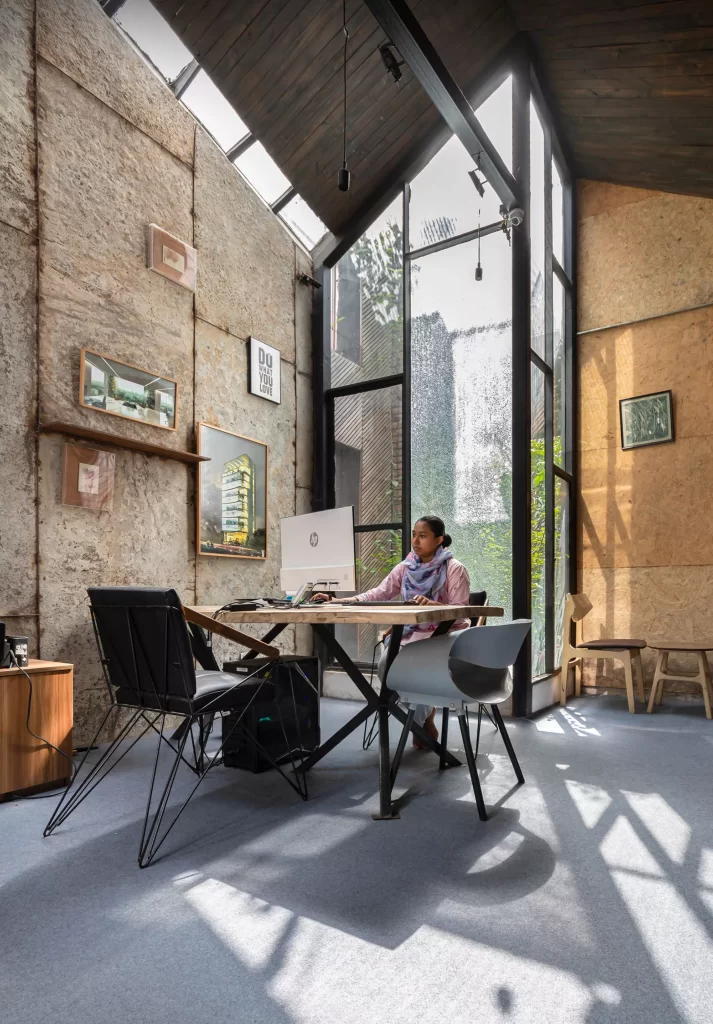
AMUR Studio
AMUR Studio
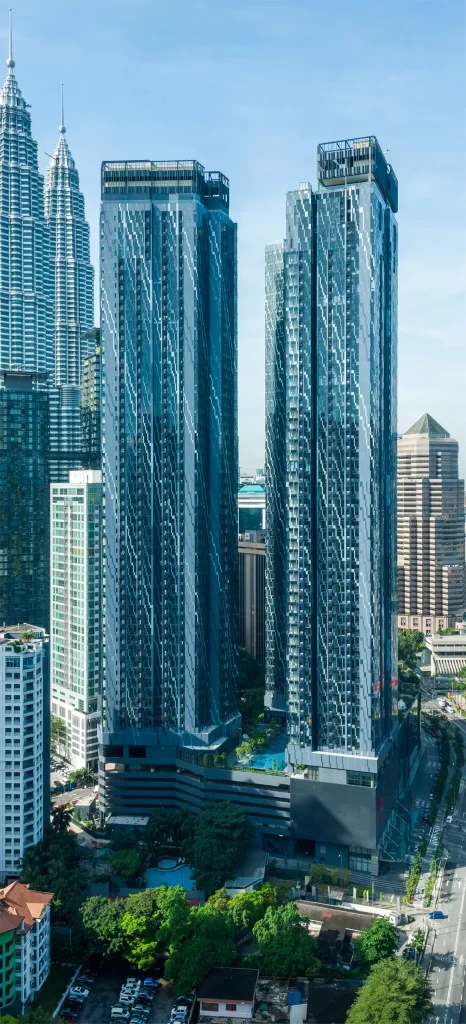
Star Residences
Star Residences
Trisakti Nagrak Campus Competition
Trisakti Nagrak Campus Competition
Da Nang Port Headquarters
Da Nang Port Headquarters
Menara Etiqa
Menara Etiqa
Saloma Link