![[Staging] VERITAS](https://staging.theveritasdesigngroup.com/wp-content/uploads/2025/12/veritas-logo-r-6940b7bf33d45.webp)
![[Staging] VERITAS](https://staging.theveritasdesigngroup.com/wp-content/uploads/2025/12/veritas-logo-w-6940b7bf2d38b.webp)
Mission Control for Asia’s Leading Low-Cost Airline

AirAsia Headquarters
and Operations Center
(AirAsia RedQ)
CLIENT
AirAsia Bhd
REGION
Sepang, Selangor
YEAR
Completed in 2016
GFA
23,700 m²
DISCIPLINES
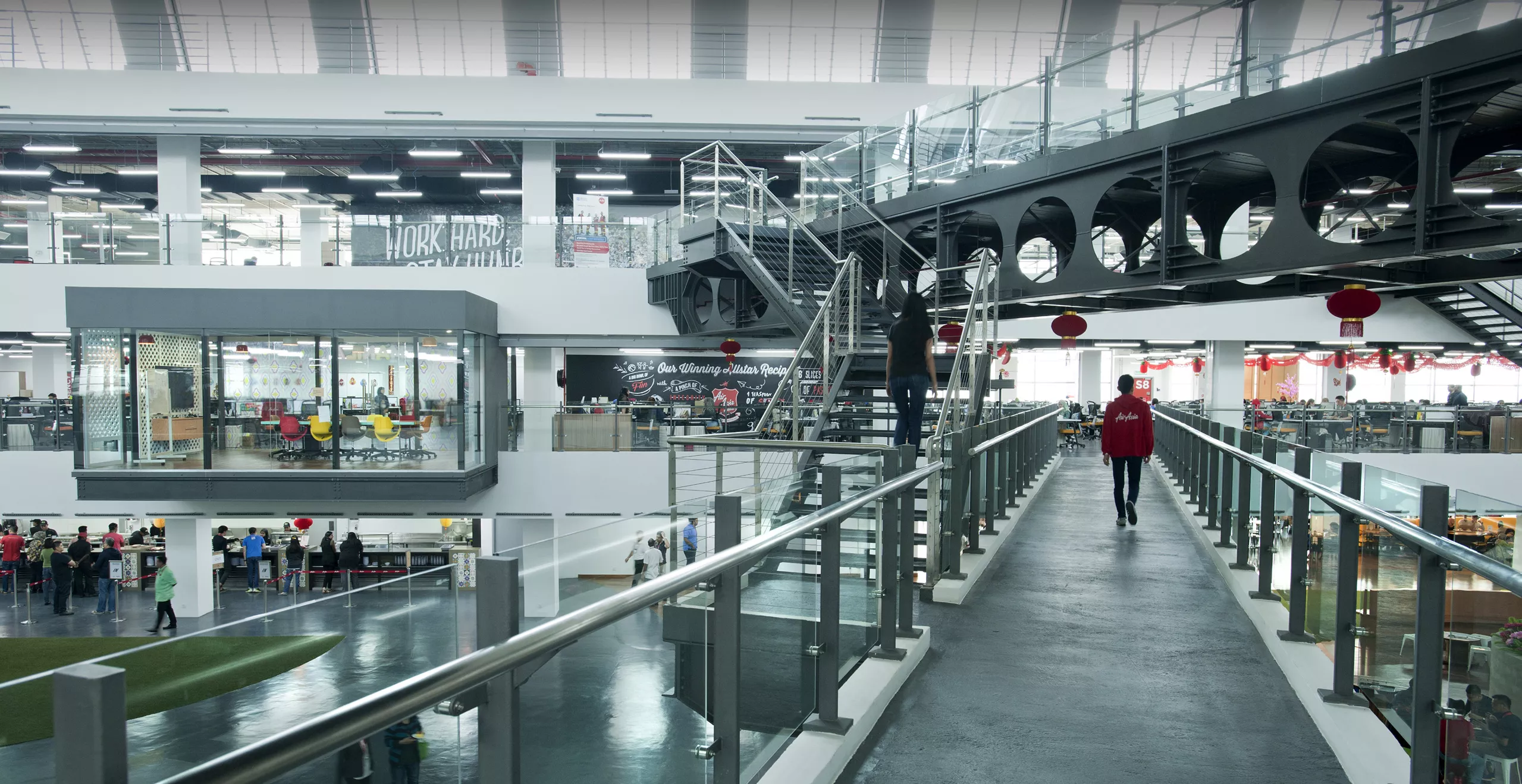
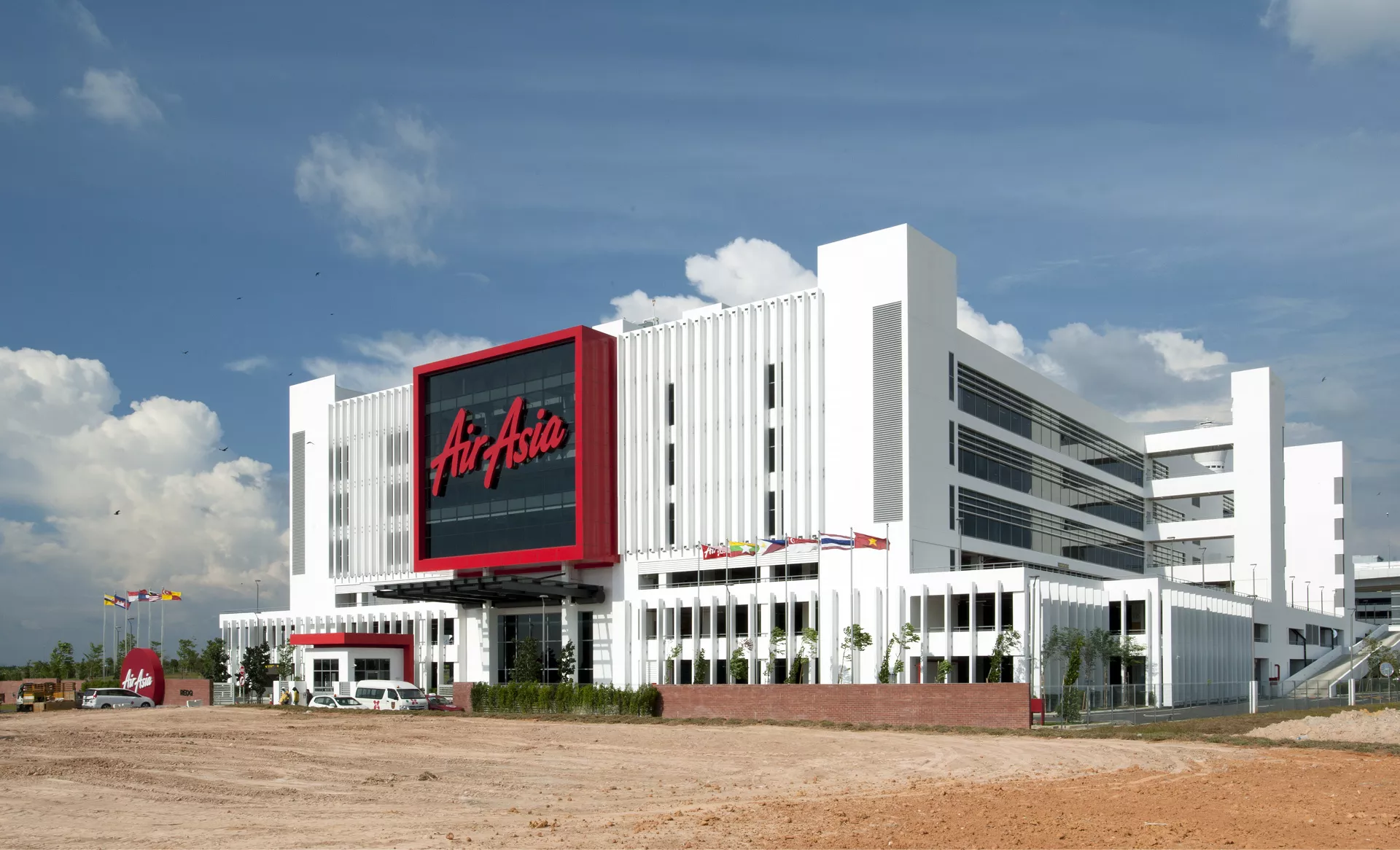
AirAsia’s RedQ at KLIA Terminal 2 unites the airline’s operational and administrative functions into a bold, energy-efficient workplace that embodies the brand’s spirit of innovation and energy. More than just an office, the 6-storey campus fosters connectivity, collaboration, and well-being—reflecting the brand’s “one big happy family” ethos while overcoming stringent site constraints and airport regulations through creative design strategies.
ARCHITECTURE
Completed in 2016, AirAsia RedQ was conceived as a unifying campus for all operational and administrative functions, incorporating office and recreational spaces for both staff and visitors. Located on a 1.94-hectare site within the Kuala Lumpur International Airport 2 (KLIA2) precinct, the design addressed a series of complex site restrictions: limited access due to an elevated roadway, a maximum allowable building height of 27 meters due to control tower visibility, and an east-west orientation that intensified solar exposure and challenged thermal comfort.
The building’s form and massing become key drivers for energy performance. Naturally lit atria, which the building’s open plan is organized around, form visual and physical connections across levels, enhanced by interconnecting bridges. This feature of the design reflects AirAsia’s culture of openness and collaboration. In addition, the facade strategies are carefully considered to optimize natural ventilation, minimize solar exposure, and maximize operational efficiency. Internally, vertical green walls further improve indoor air quality and bring warmth to the expansive workspace.

INTERIORS
The interior design takes the center for a contemporary, energy-efficient environment. The design merges industrial aesthetics with striking color schemes and graphic brand motifs to promote a sense of energy, inclusivity, and creativity. The rectangular building is structured around light-filled atriums that impart an invisible order to the open floorplans, outfitted with modern ergonomic furniture, flexible seating zones, and layered lighting—all designed to support comfort and productivity.

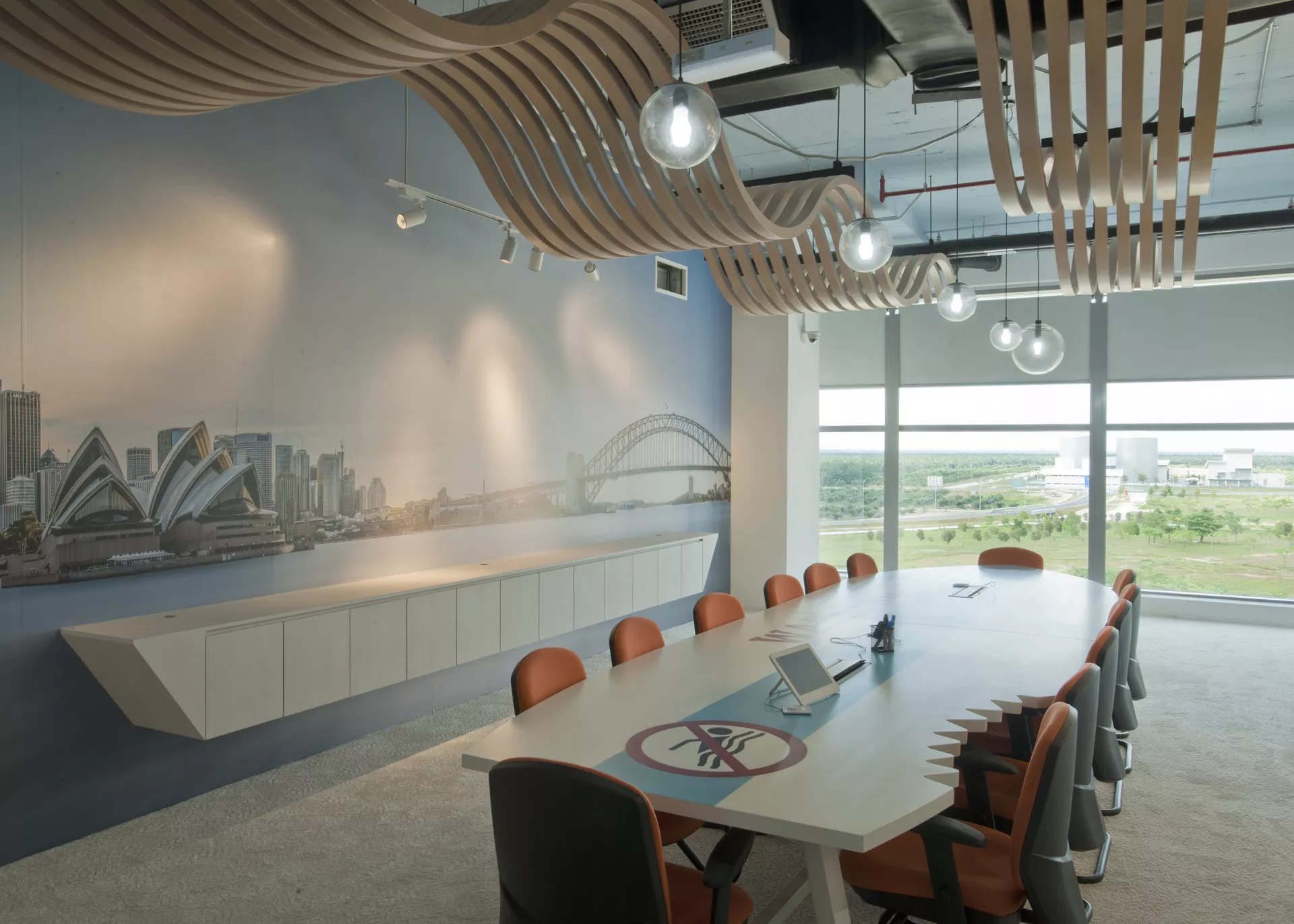
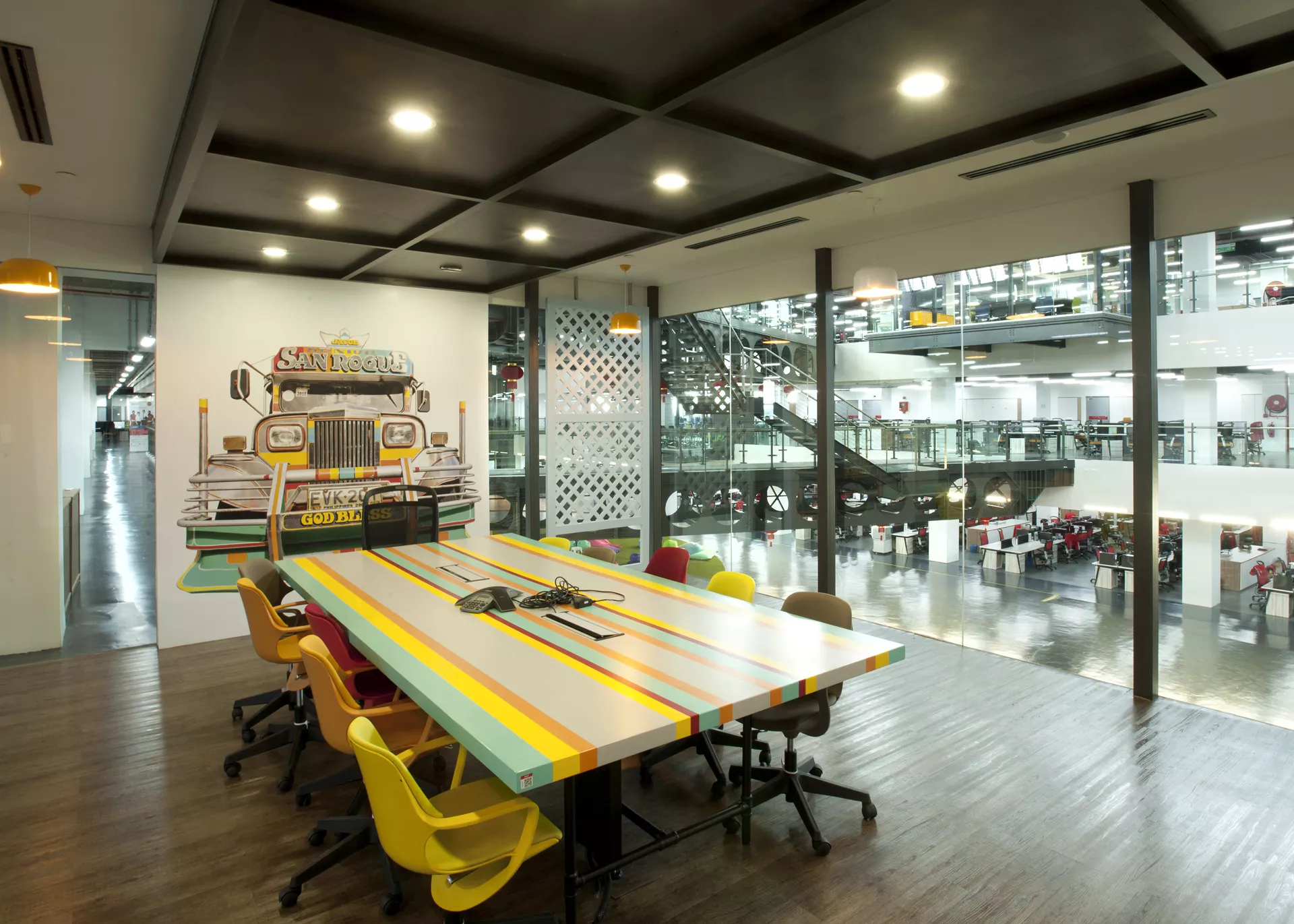
The interiors foster a strong “bump factor,” encouraging casual encounters and collaboration without sacrificing quiet, contemplative spaces. This design approach supports a new paradigm of workplace culture—one that prioritizes employee wellbeing, interaction, and brand immersion. RedQ successfully transforms a regulated airport-adjacent site into a dynamic, human-centric workspace that brings AirAsia’s culture and community to life.
LANDSCAPE
The development for landscape design unfolds in two phases. The first phase focuses on establishing the AirAsia All Stars operation and management headquarters—a vibrant workspace designed to inspire collaboration and productivity. Landscape interventions at this stage support the architectural form while enhancing circulation, shading, and visual comfort for daily operations.
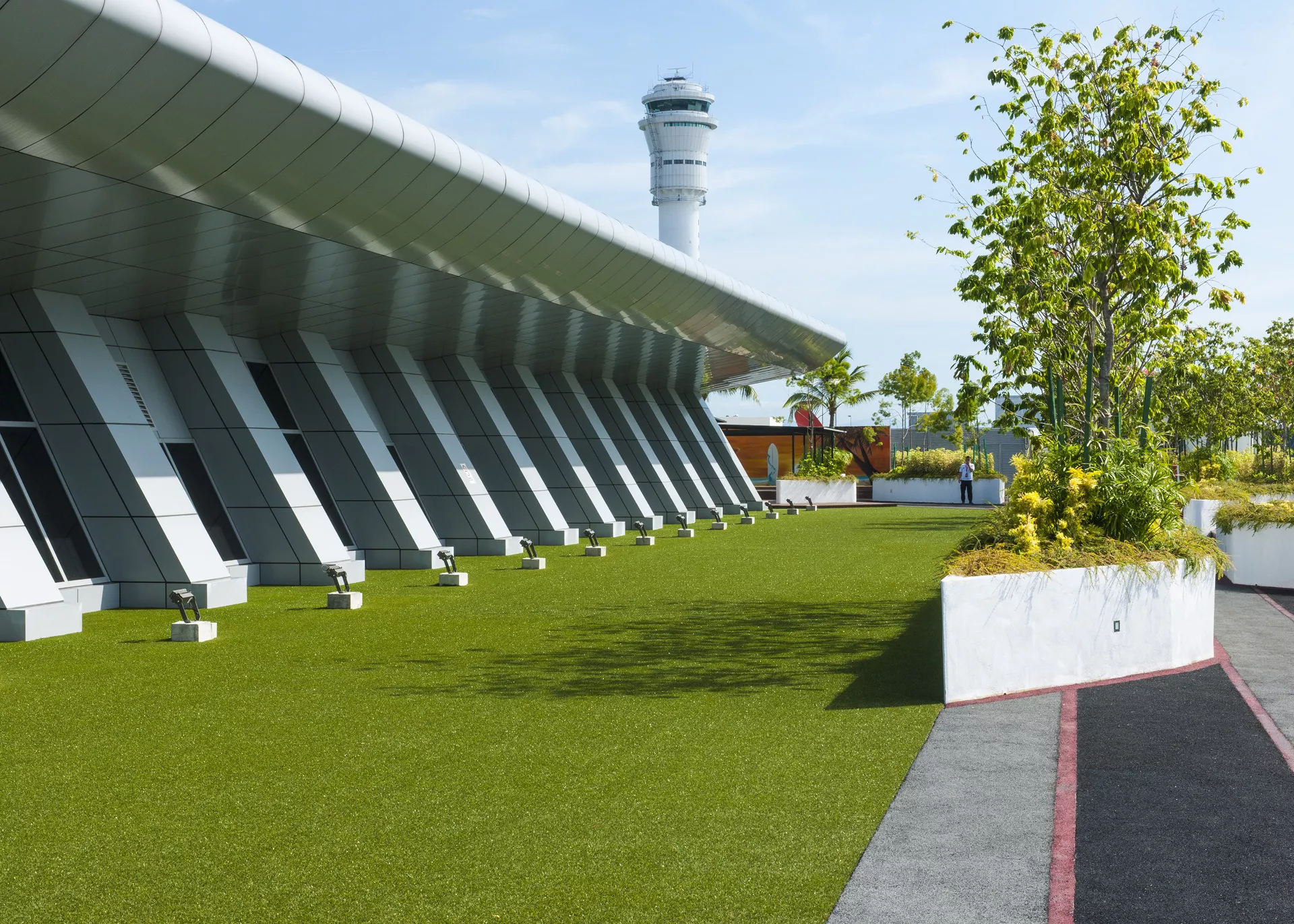
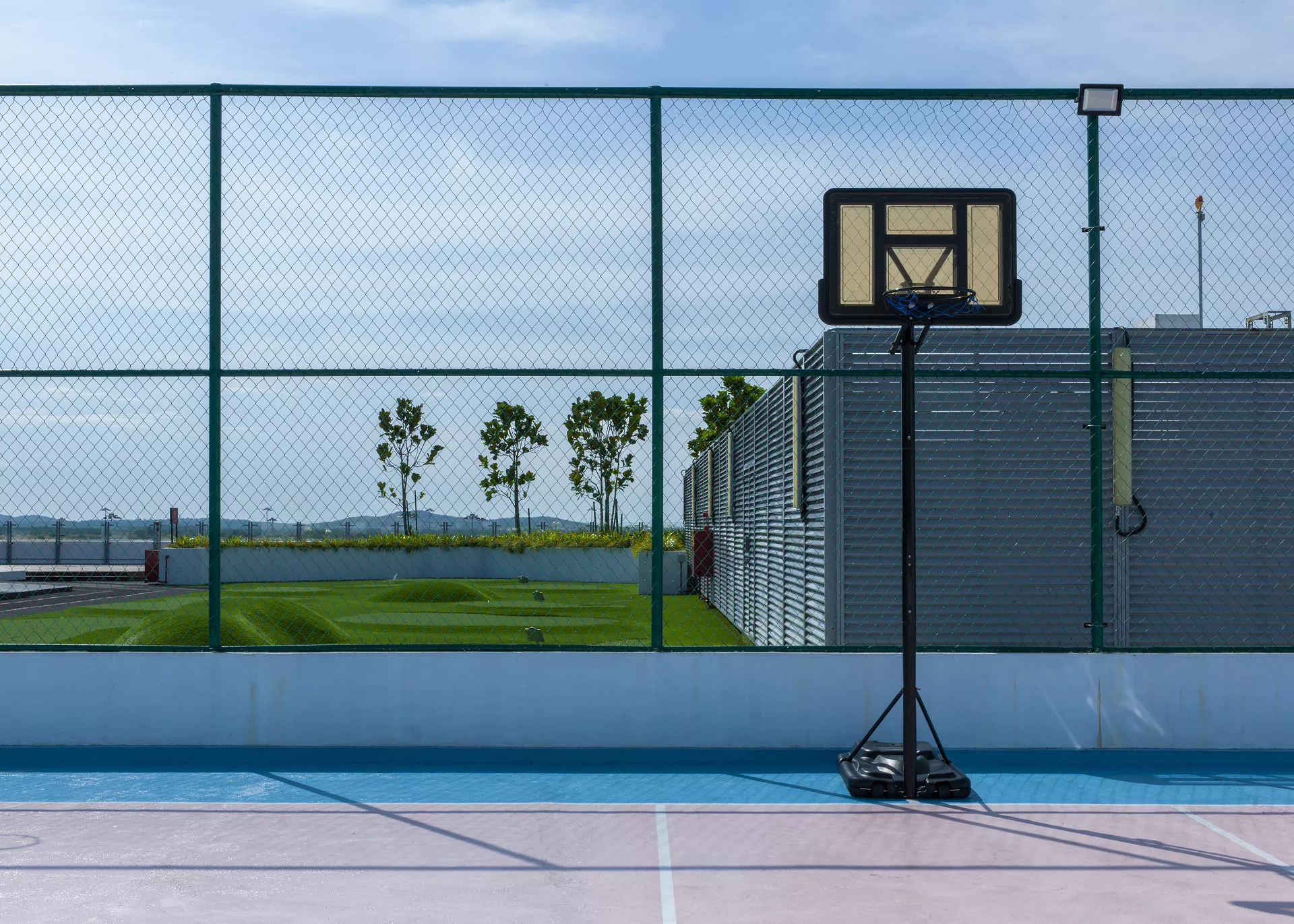
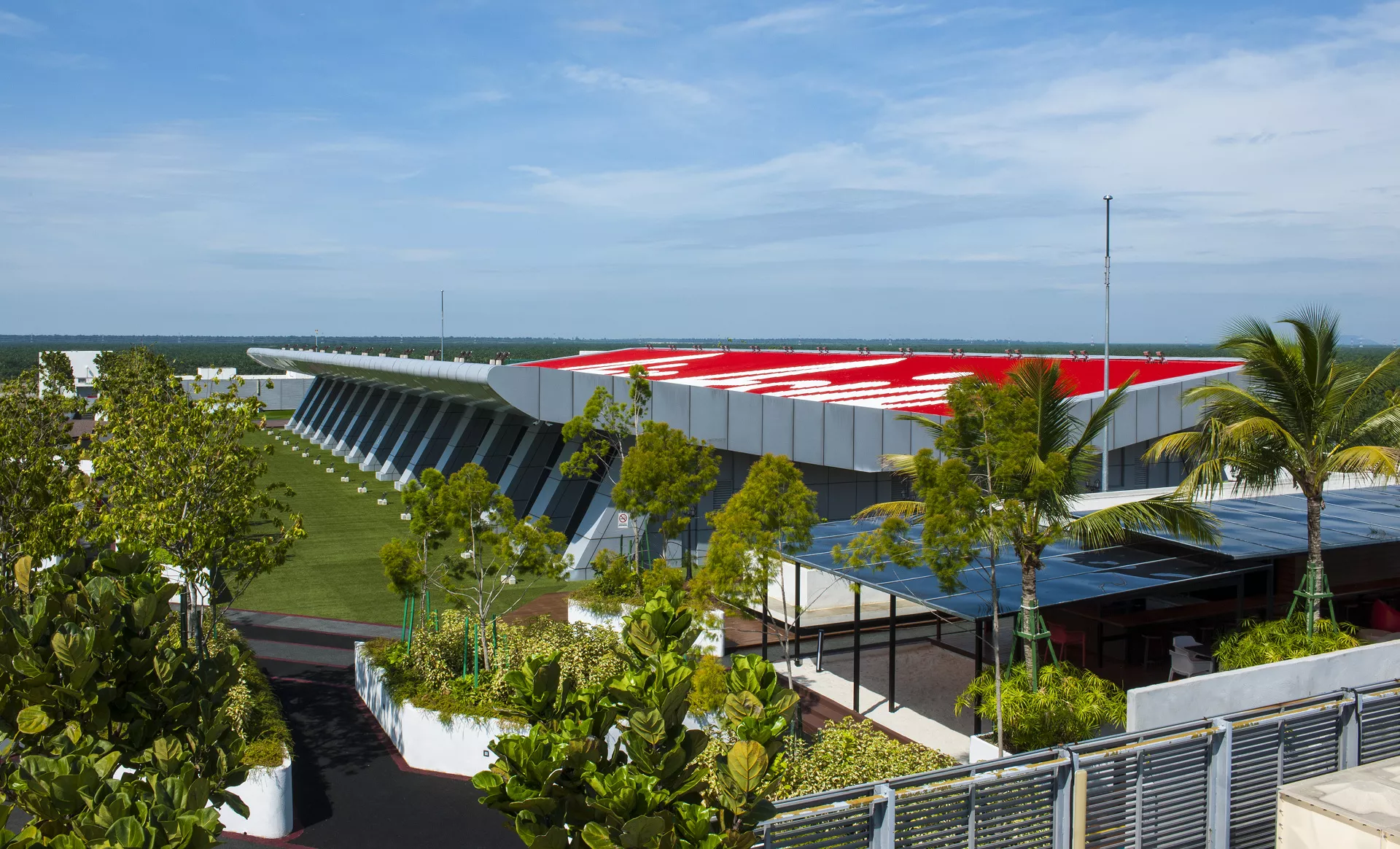
The second phase elevates the leisure component of the development, with a strong emphasis on creating a rooftop garden that serves as a tranquil escape for employees. This elevated green space introduces lush plantings, seating nodes and shaded areas, transforming the rooftop into a multifunctional space for relaxation, informal meetings, and events. Together, both phases demonstrate a balanced integration of functionality, aesthetics, and well-being, making AirAsia House not just a workplace, but a green hub of innovation and community.
PLANNING
Strategic planning was integral to navigating the approval process for this landmark headquarters. Part of the consultancy was to provide end-to-end planning strategy from project inception, ensuring the 1.94-hectare project complied with all regulatory requirements under the Sepang Municipal Council and relevant aviation authority restrictions.
The strategy directly addressed stringent site constraints, including the building height limitation and limited vehicular access. The planning submission highlighted the building’s orientation, innovative design strategies, and sustainable credentials to ensure alignment with local development control plans and environmental policies.
Learn About Our Projects
AllAdaptive Reuse / RefurbishmentArchitectureBangladeshCommercial & RetailDisciplineEducation & InstitutionEnvironmentFeatured ProjectsHealthcareHigh-Rise OfficeHigh-Rise ResidentialHospitality & LeisureIndiaIndonesiaIndustrialInteriorsJapanLandscapeLow-Rise OfficeLow-Rise ResidentialMalaysiaPlanningProject ManagementQuantity SurveyingRegionSingaporeSpecial ProjectsTransport & MobilityTypologyUnited States of AmericaVietnam
PETRONAS Leadership Centre (PLC)
PETRONAS Leadership Centre (PLC)
Medini Innopolis
Medini Innopolis
MRT Kajang Line
Stations
MRT Kajang Line Stations
Strato at Troika Sky Dining
Strato at Troika Sky Dining
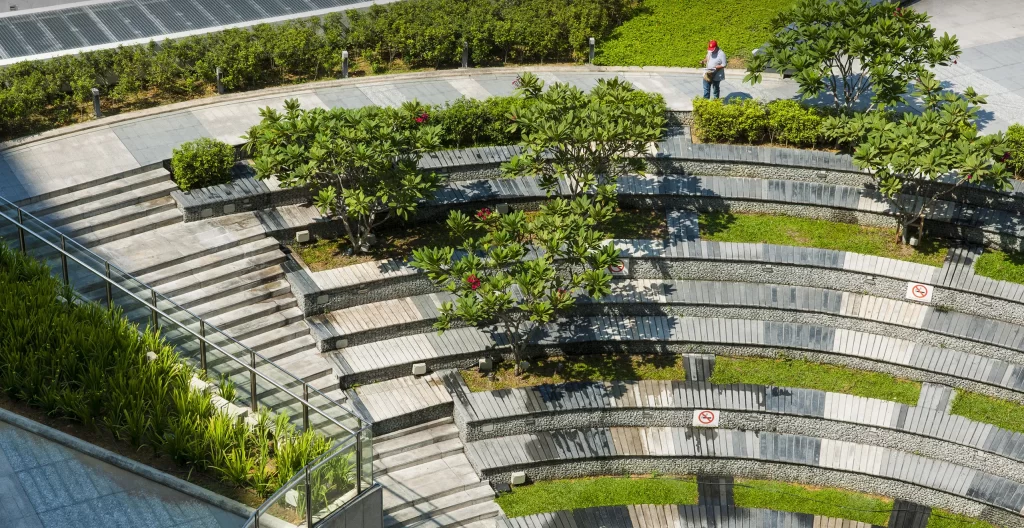
MyTOWN Shopping Centre
MyTOWN Shopping Centre
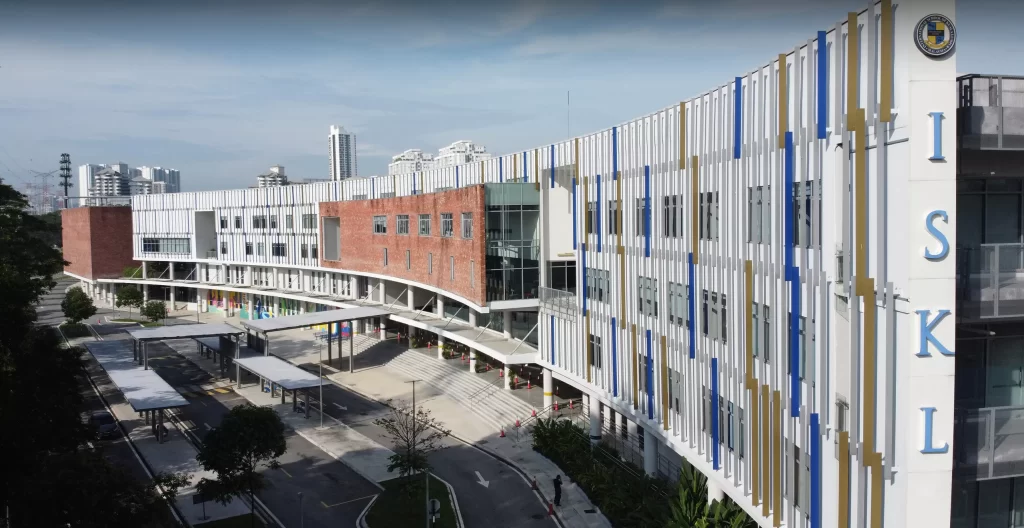
International School of Kuala Lumpur (ISKL)
International School of Kuala Lumpur (ISKL)
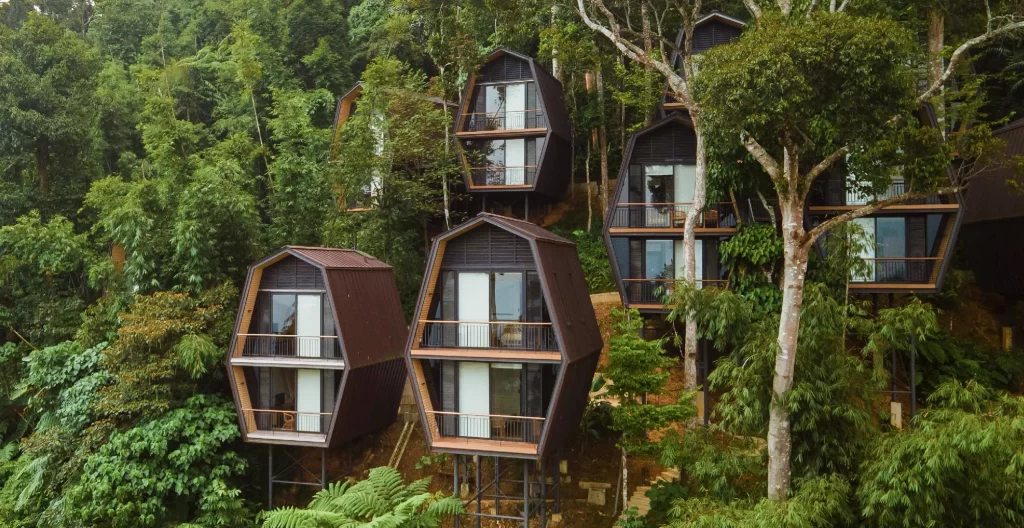
VanaVasa Resort
VanaVasa Resort
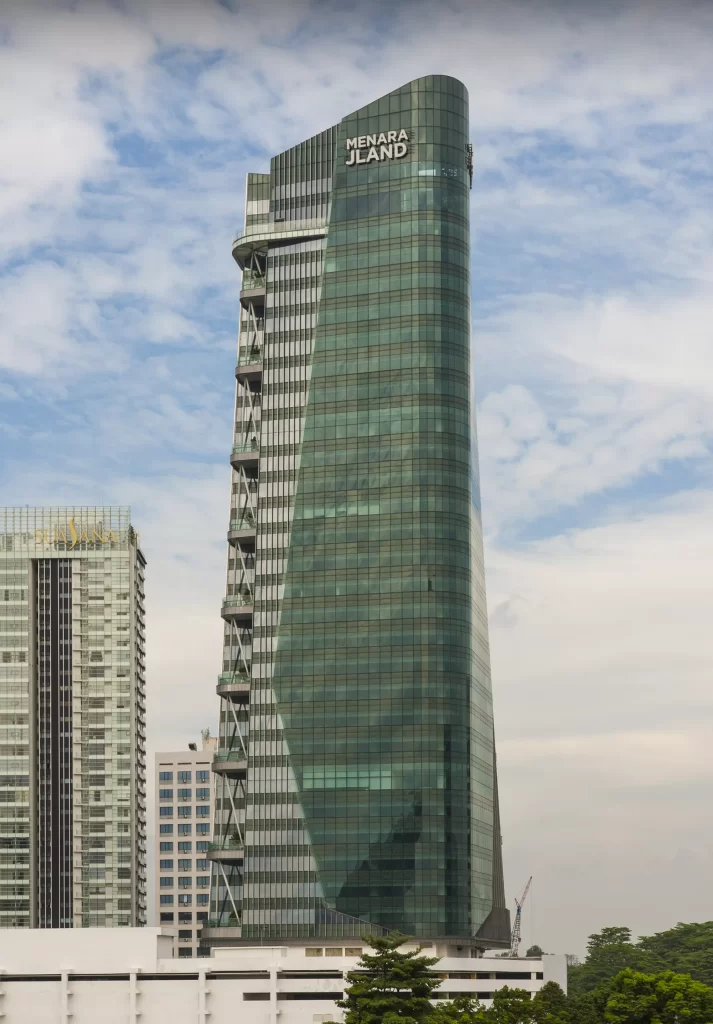
Menara JLand
Menara JLand
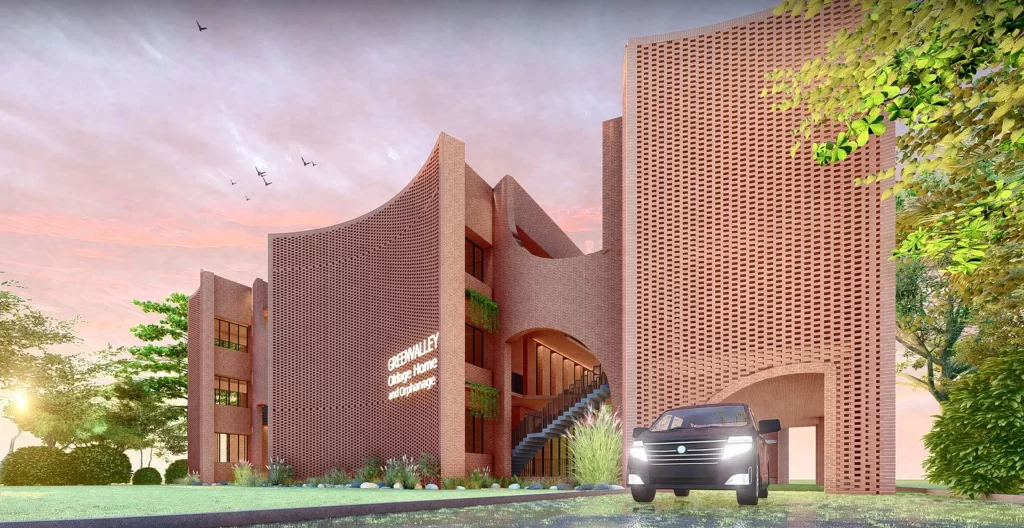
Green Valley Oldage Home and Orphanage
Green Valley Oldage Home and Orphanage
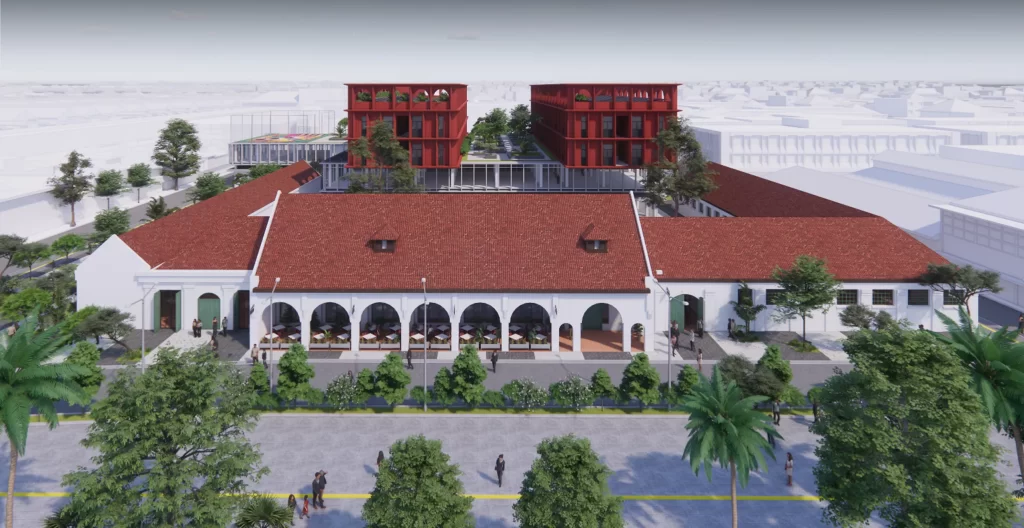
Taman Kota Intan Competition
Taman Kota Intan Competition
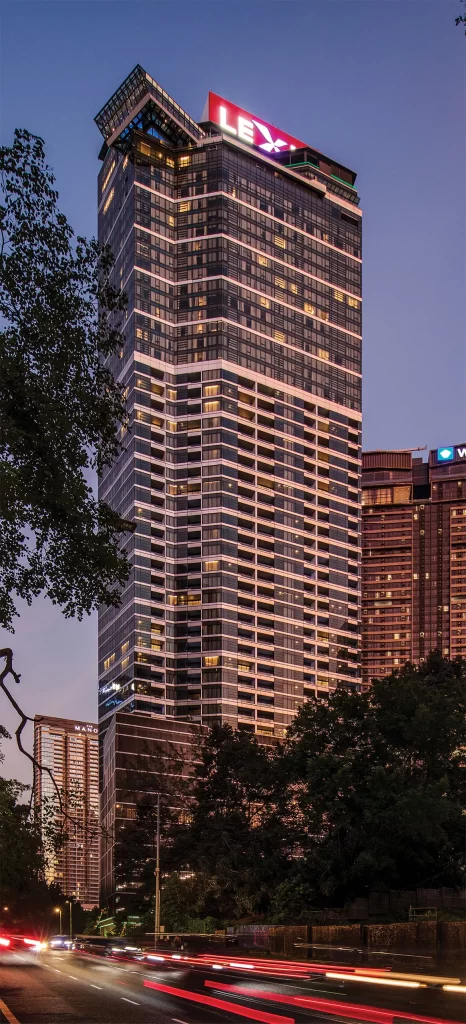
Imperial Lexis Kuala Lumpur
Imperial Lexis Kuala Lumpur
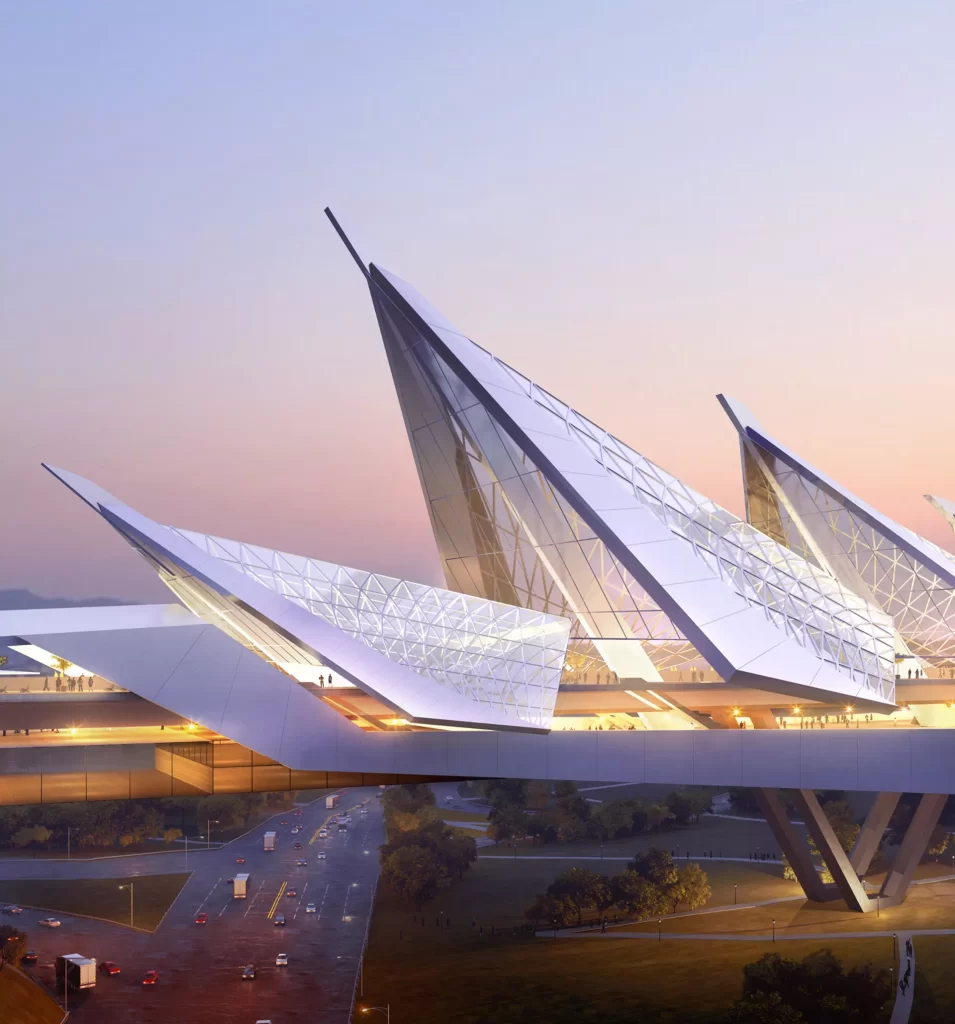
Kuala Lumpur–Singapore High Speed Rail (HSR)
Kuala Lumpur–Singapore High Speed Rail (HSR)
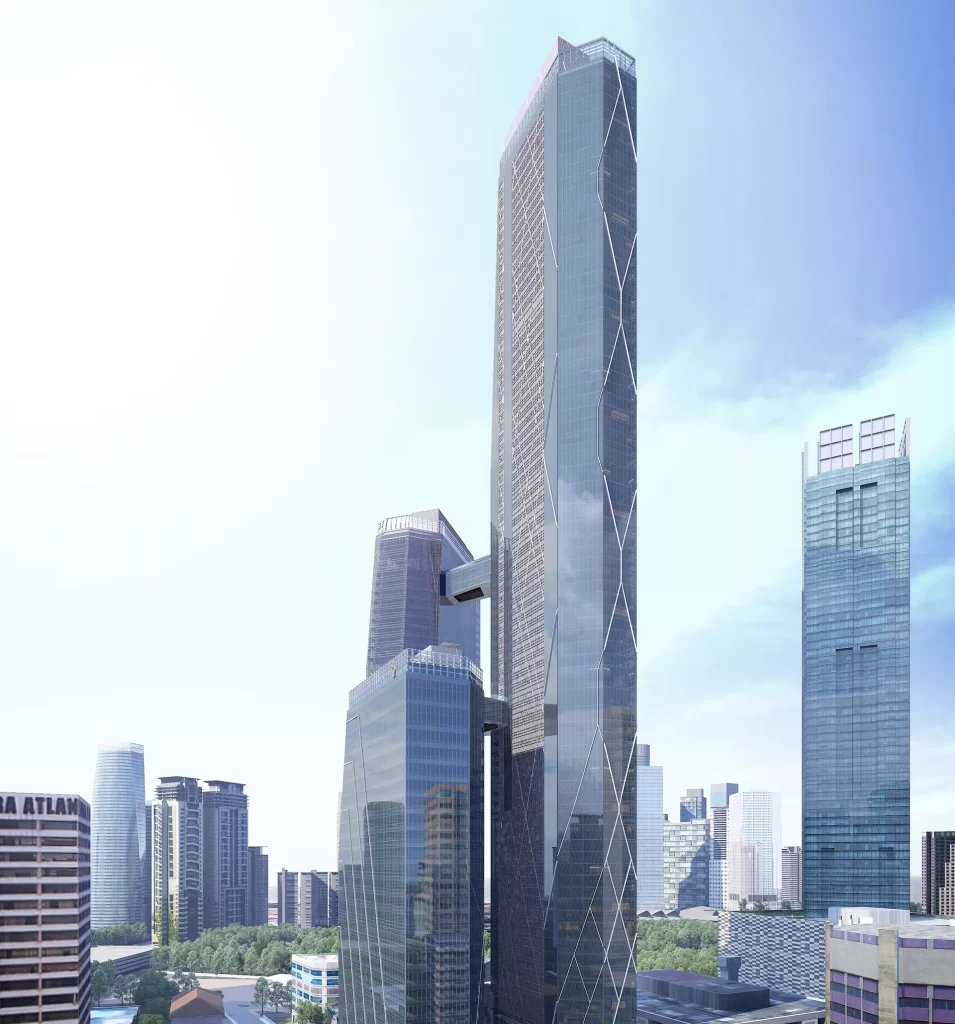
Oxley Towers
Oxley Towers
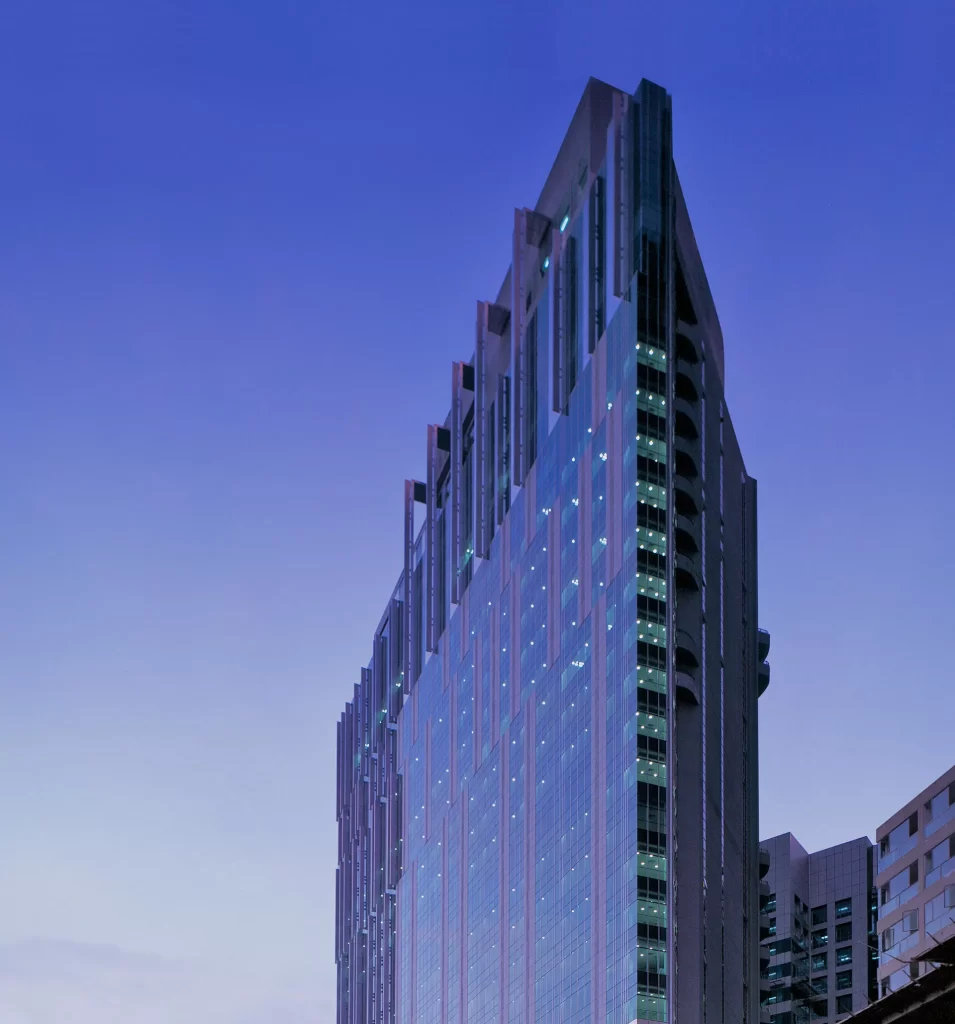
1 Sentral
1 Sentral
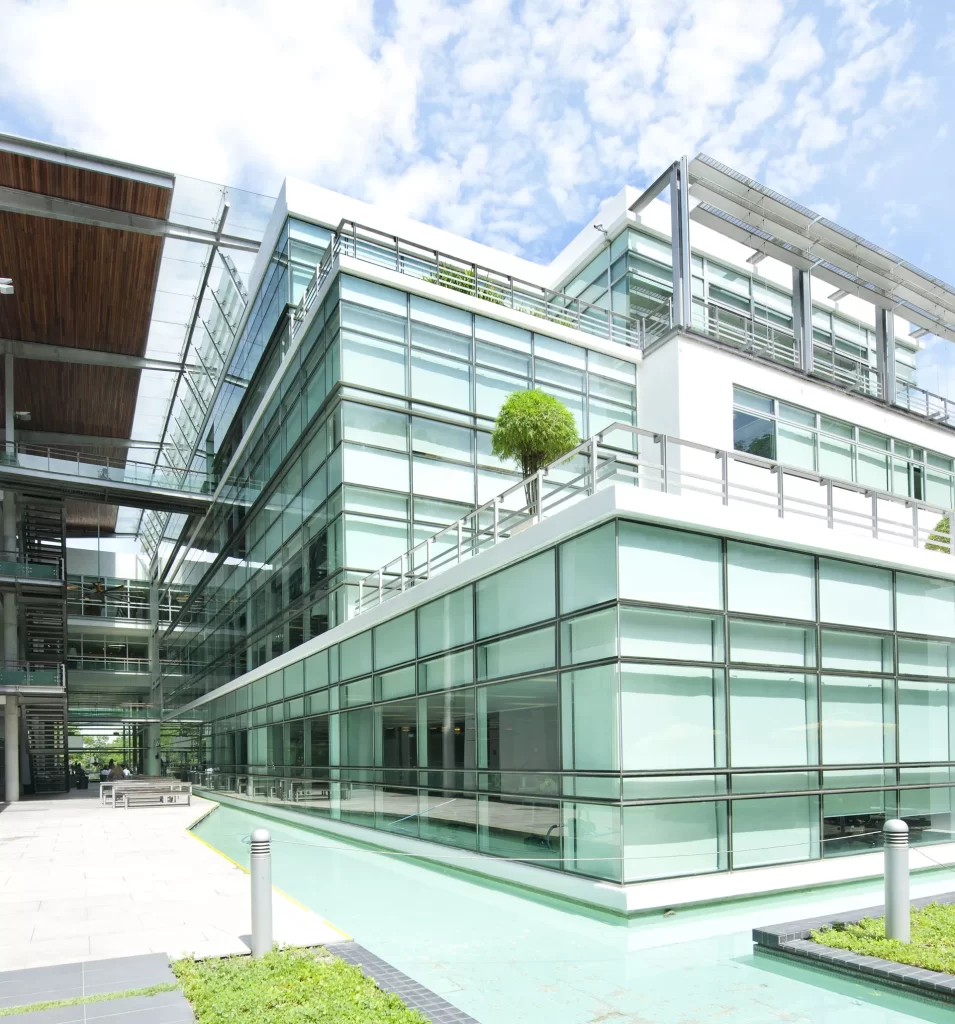
CelcomDigi Hub
CelcomDigi Hub
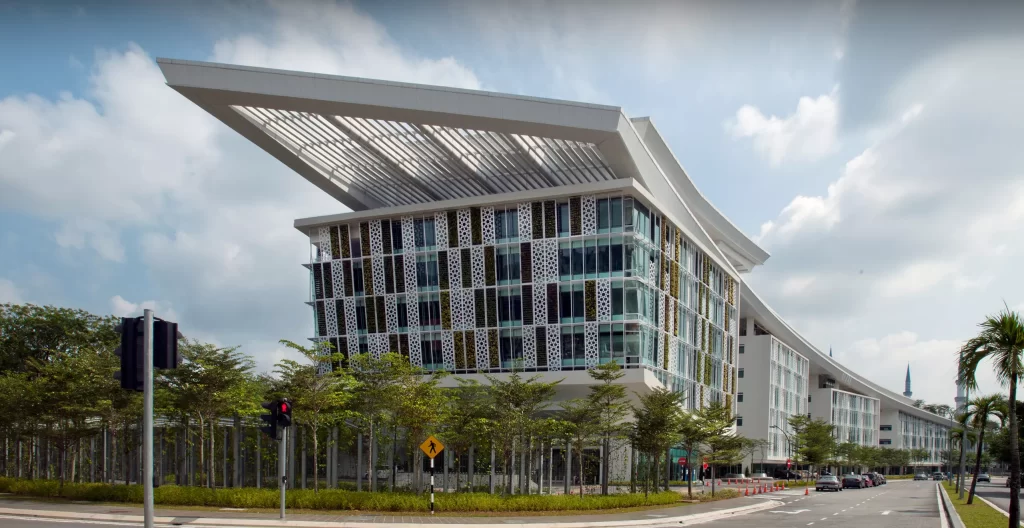
Perbadanan Kemajuan Negeri Selangor
(PKNS Headquarters)
Perbadanan Kemajuan Negeri Selangor (PKNS Headquarters)
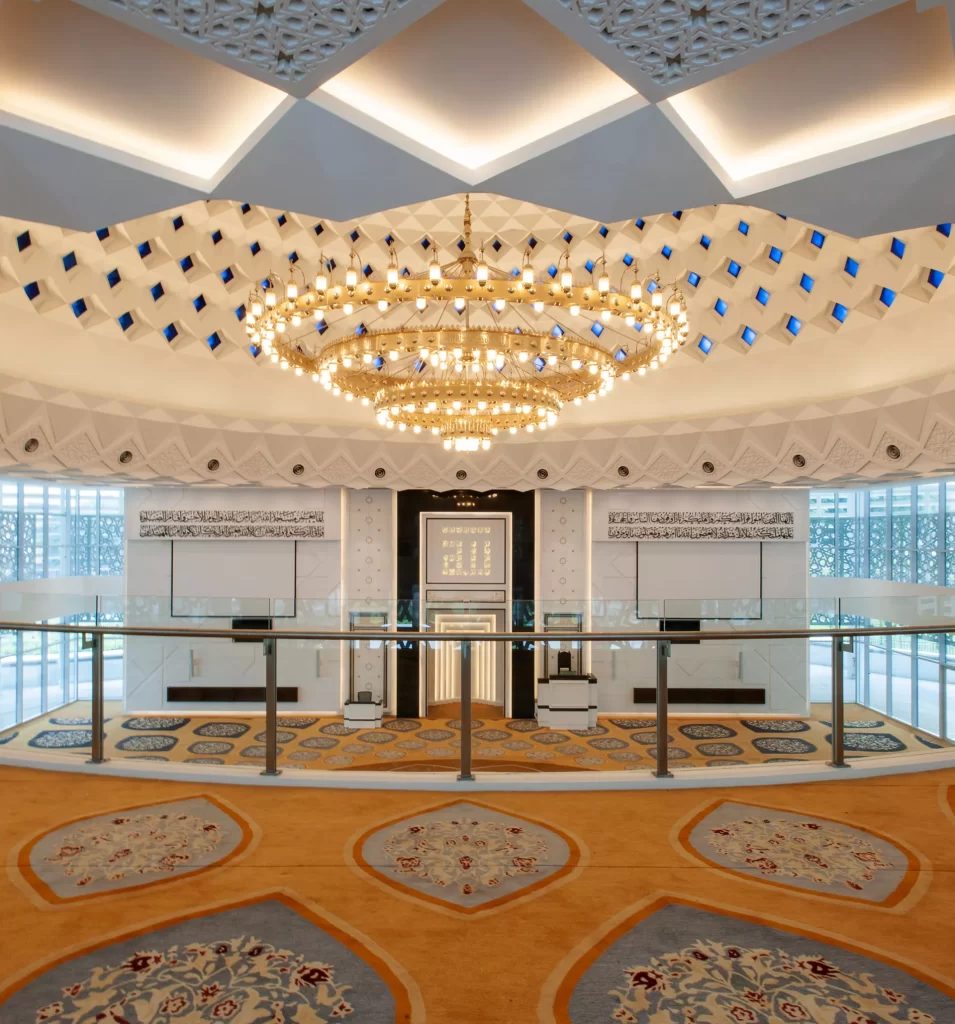
Masjid TNB Bangsar
Masjid TNB Bangsar
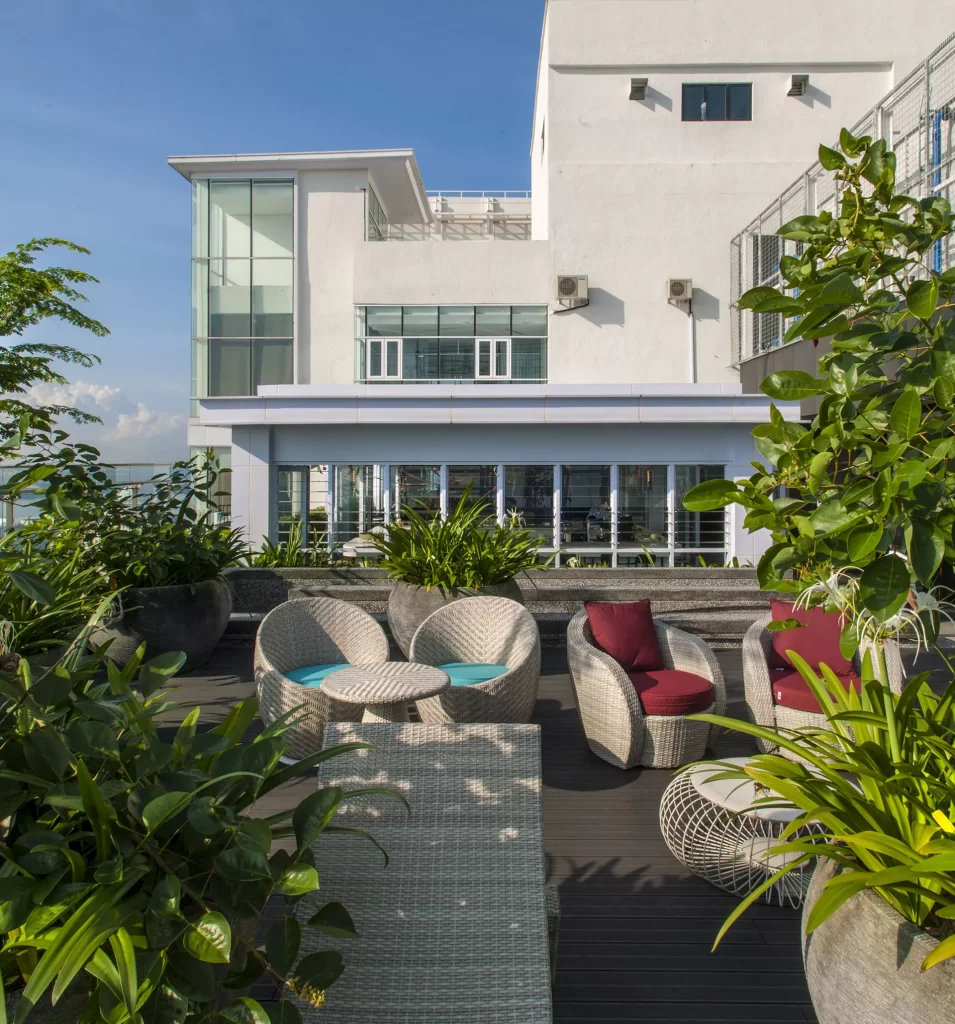
Suasana Iskandar Malaysia
Suasana Iskandar Malaysia
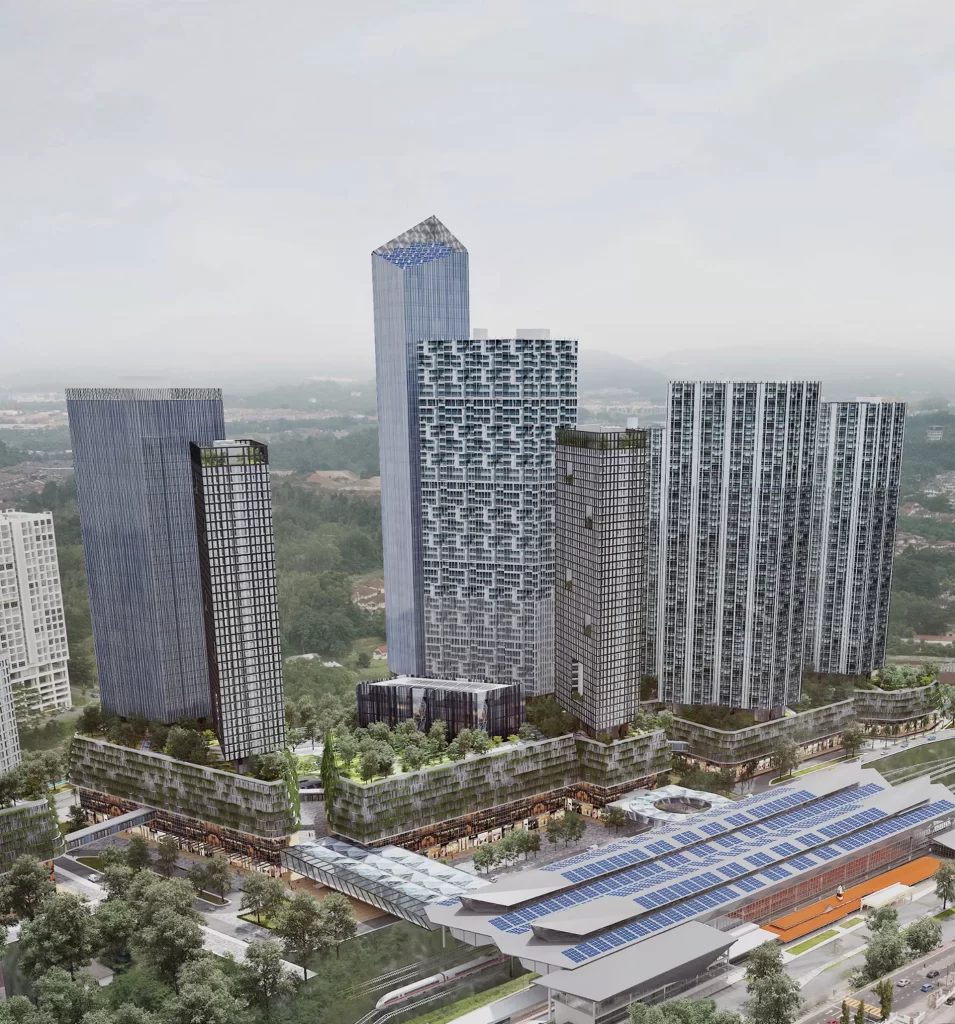
Seremban Sentral
Seremban Sentral
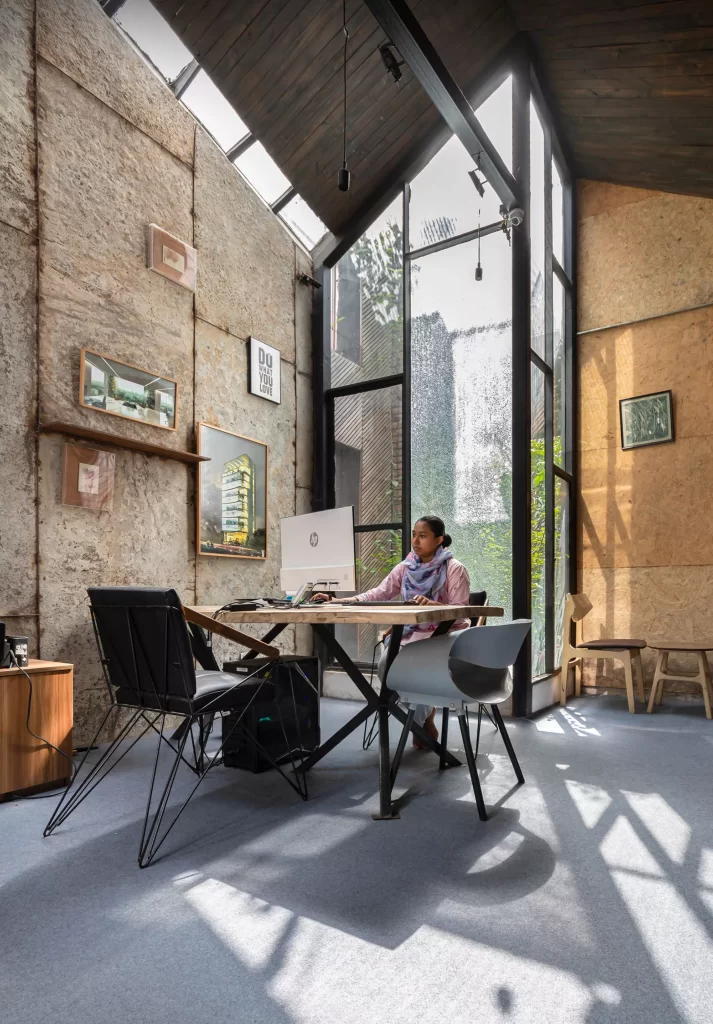
AMUR Studio
AMUR Studio
Star Residences
Star Residences
Trisakti Nagrak Campus Competition
Trisakti Nagrak Campus Competition
Da Nang Port Headquarters
Da Nang Port Headquarters
Menara Etiqa
Menara Etiqa
Saloma Link
Saloma Link
10 Damansara Villas
10 Damansara Villas
Menara Binjai
Menara Binjai
Ibu Kota Negara
Ibu Kota Negara
The Five @ KPD
The Five @ KPD
Ministry of Natural
Resources and Environmental Sustainability